
The ancient Inca Empire’s heart is Cusco, but the city also has some of the best food in the world. The food found in Cusco represents the blend of ingredients found in Peru’s agricultural regions with those brought to Cusco by the Spanish colonists when they arrived. This gives you a wide range of flavours to try. If you’re in Cusco, you need to try five signature dishes to see what authentic Cusco food is like. You’re sure to find plenty of delicious food to eat from exotic proteins to spicy stews and gain an understanding of the area’s culture. Let’s get started!
1. Cuy Chactado (Fried Guinea Pig)
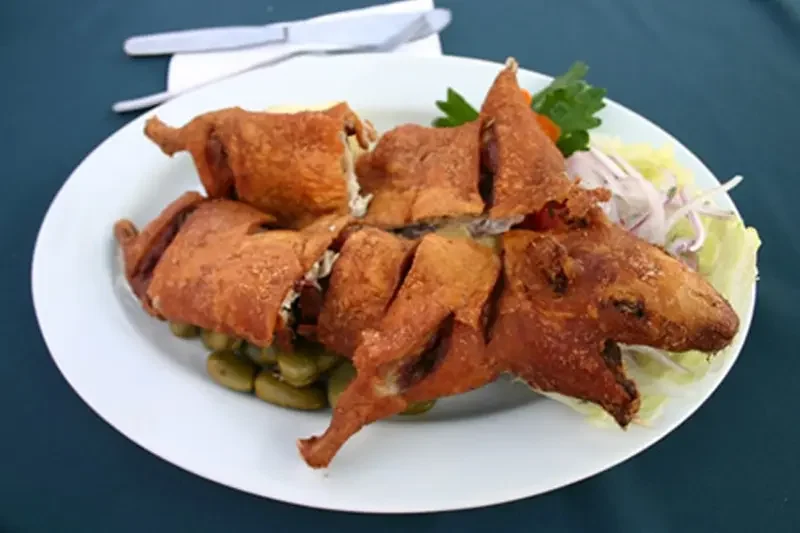
Cuy chactado, a traditional and daring meal, is eaten in the Andean region of South America for centuries prior to the Inca civilization’s emergence. Clean and prepare the animal, you will be able to season with salt, pepper, cumin, garlic, and ají panca (mild Chilean red pepper). After seasoning, cuy will be flattened (chactado translates into pressed), and fry it until crispy on the outside and tender inside. Traditionally, you will serve it with boiled potatoes, salads, and Aji (the mixture of pepper sauce and fat). While it may sound strange to eat guinea pig, it is eaten on a daily basis in Peru, because of its flavor and cultural history, Because Ancient peoples of the Andean region used guinea pigs as both food and ceremonial offerings; It would be best in your Picantería, as you will experience a crunch and savoriness that you will never forget.
2. Adobo Cusqueño (Cusco-Style Adobo)
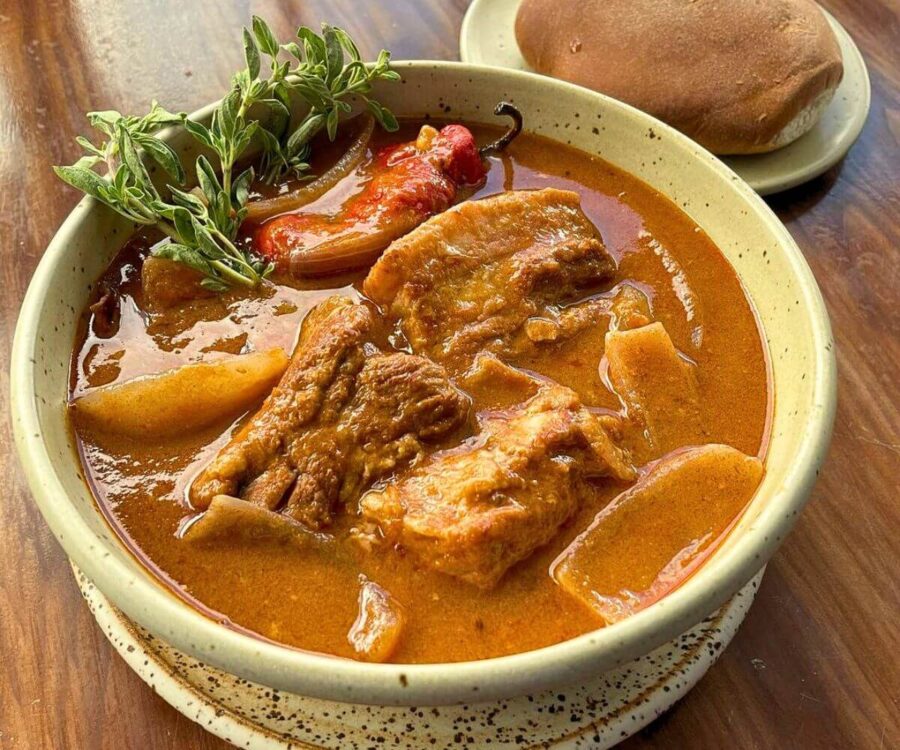
Pork stew is an essential dish in Cusco, Peru. It’s a filling stew with a soft and juicy consistency but comes from the heat of a red sauce that gives the stew its warmth. Pork stew can be eaten at any time of day and can help cure hangovers. The pork is marinated in a traditional drink called chicha de jora (a beer made from corn). After the pork is marinated, the following ingredients are added: 3-4 bay leaves, 1-2 tsp of dried rosemary, 1 chopped onion, 3 whole rocoto chiles, 1 large ají panca pepper (a mild pepper), garlic, red wine (optional), water or broth, and some salt and pepper. Pork stew is traditionally cooked on the stove over medium heat until the pork becomes very tender. There are Spanish influences on this dish, but the use of local spices makes it a cross-cultural recipe. Serve pork stew with fresh bread and an herbal tea for a true comfort food experience.
3. Chiri Uchu (Cold Spicy Dish)
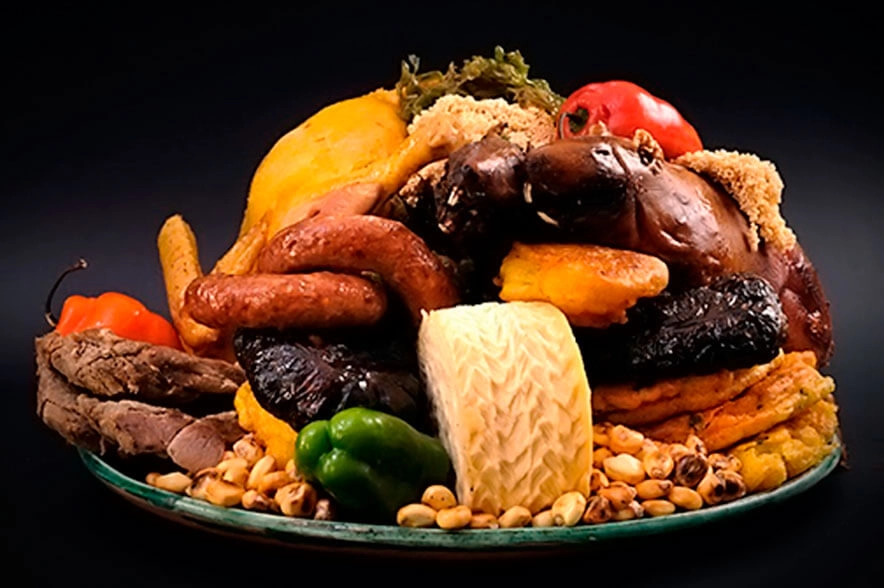
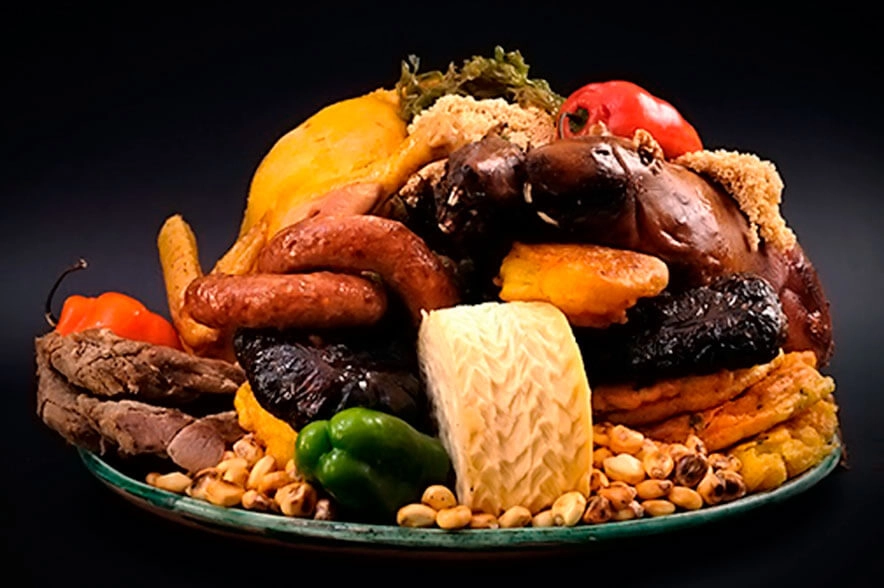
Chiri Uchu (meaning “cold chili” in Quechua) is the signature dish of Cusco, Peru—served particularly during June’s festival of Corpus Christi. The signature dish consists of an array of ingredients, each representing one of the country’s ecosystems: roasted guinea pig, chicken, charqui (jerky), cheese and white corn, seaweed, fish eggs and sausage, all mixing together in a cold dish on top of an egg tortilla. Argument for its historical importance dates back to the Inca Empire, as this was a communal dish created from a shared harvest between multiple families and served in advance after boiling the meats and mixing them together. Its spicy and eclectic presentation makes this a must for those looking to sample how Peruvians have successfully fused together the three major regions of Peru for one meal.
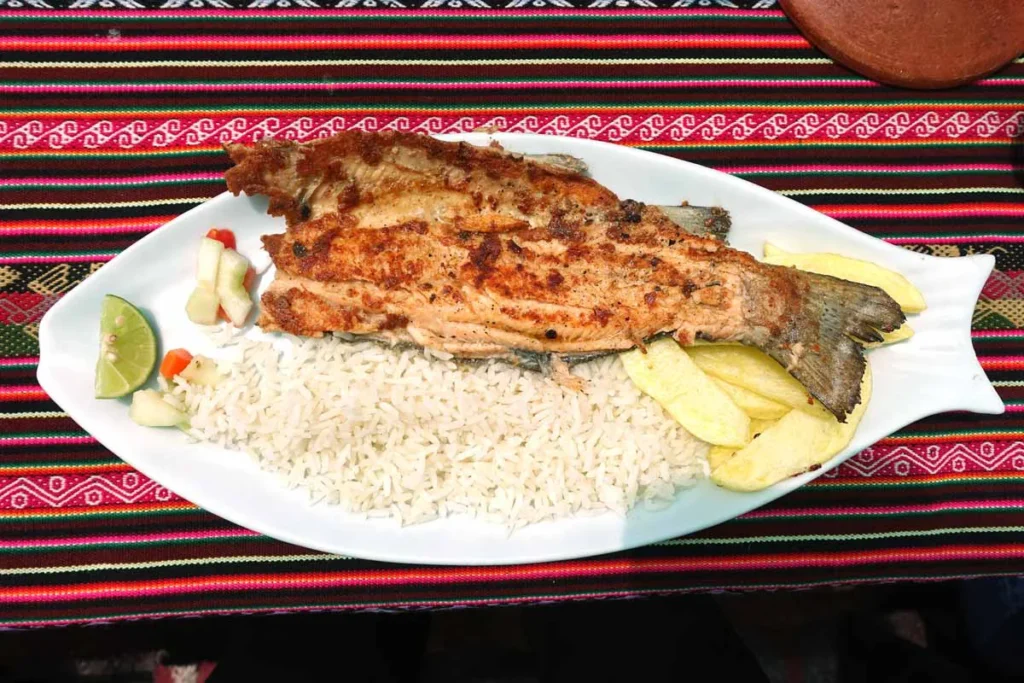
4. Trucha Frita (Fried Trout)
Trout is one of Cusco’s common river and lake fish; cooked perfectly crispy, seasoned with garlic, lemon, salt, pepper, deep fried in oil until golden brown and served with white rice, boiled potatoes, fresh tomato and onion salad or salsa criolla. This dish was created in the early 20th Century and takes full advantage of Cusco’s access to high altitude freshwater seafood (trout) and is both light (crunchy) and a very good option for a quick meal before travelling or length of time at high altitude as a way to taste the genuine simplicity of Peru.
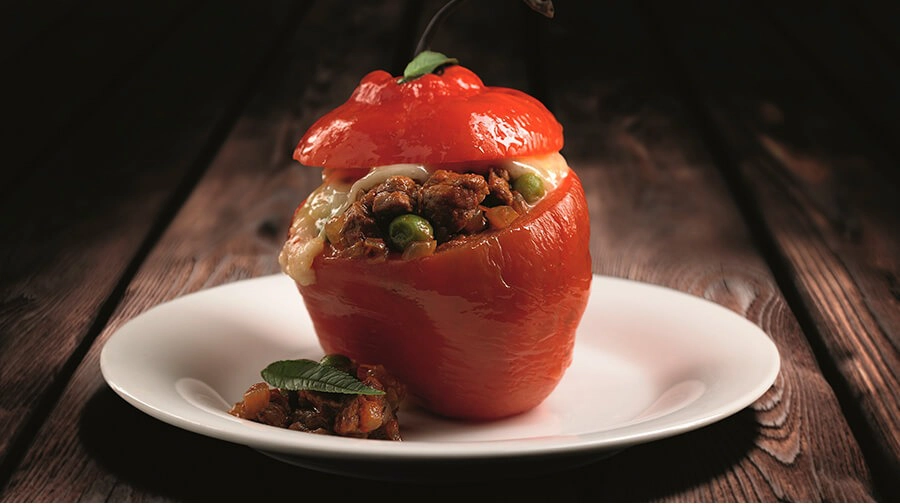
5. Rocoto Relleno (Stuffed Rocoto Pepper)
Rocoto relleno is a spicy favorite that comes from Arequipa, but is enjoyed in Cusco for its intense spices. Large rocoto peppers (similar to bell peppers but are spicier), are blanched to lessen some of their heat, and then are stuffed with a mixture of ground beef or pork, onions, garlic, peanuts, raisins, olives, and spices and topped with cheese and then baked until bubbling. Rocoto relleno is usually served with potato cakes or salad which celebrates the Andean people’s love of chilis that have been growing here for thousands of years. The sweet-spicy filling complements the pepper’s kick and will make this an addictively delicious dish for heat enthusiasts!
Whether you are shopping at the market or sitting down in a cozy restaurant, dishes like this reflect the local culinary scene of Cusco. Some places to find fresh versions of these flavors are in the San Pedro Market or in traditional picanterias. Bon Appetit or ¡buen provecho!, as we say in Peru!
Frequently Asked Questions (FAQs) About Cusco’s Must-Try Dishes
Indeed, it is one of the most well-known dishes in the Andes and a major contributor to the cuisine of Cusco—guinea pigs have been raised for food in this region since the era prior to the Inca civilization. Cuy chactado (the fried version) has a deliciously crisp, golden-brown shell similar to crispy chicken or pork rinds and has juicy, tender meat that many people say tastes like a cross between a rabbit and dark chicken; with a slightly stronger flavor than traditional meats such as beef, chicken and lamb, it also contains plenty of fat, which gives us an exceptionally rich and flavorful dish! If you feel bold enough to try this dish, go ahead; otherwise, you will find many other superb dishes!
Typical Locations Of Eating Cuy In San Blas: Eat at Pachapapa (most of the time, your order should be placed in advance); some family-owned restaurants, such as Kusikuy and Sumaqcha, provide authentic settings; or restaurants with tourist-friendly menus offer more upscale options. Some picanterías and San Pedro Market vendors have various Cuy; when choosing where to dine, try to pick the one that has high levels of local traffic.
Adobo cusqueño is an enticing stew of pork that has been slow cooked in fermented corn beer call chicha de jora, then combined with garlic, onion, bay leaf, and slight amounts of ají peppers produce a dish that pleasant taste, juicy, and very comfortable to eat at breakfast or as cure to hangover. Normally I would say that it is in general low to moderate on the spice level (i.e., not hot as rocoto relleno). You can always ask for a picante version to increase the heat.
During the Corpus Christi festival in June, chiri uchu is at its best and is made together with lots of people, then served all over the city. Other than this, you’ll find it all year round in picanters and restaurants serving Cusco food. Since it’s a cold mixed plate, chiri uchu is very refreshing to eat and is a good way to try many of the different ingredients that grow or occur in Peru in one bite, even at high altitudes.
Cusco offers safe food options, but be careful when eating in the cities as you will find many opportunities to eat in smaller towns. Eat cooked and hot food to reduce your chance of getting sick from eating uncooked food. Foods that are less likely to cause you to get altitude sickness (soroche) often include soups, grilled fish (trout) and quinoa (which are all easier on your stomach than large quantities of fried foods like cuy). If taking precautions, use bottled water and there are typically no issues eating raw vegetables or salads (due to possible food contamination), but it would be advisable to eat only peeled fruits. Many travelers enjoy eating street food without experiencing any problems, however exercising common sense is a good way to avoid problems.
Yes, even though cuy and pork are large parts of the cuisine here in Cusco, you will also find many plant-based treasures such as quinoa soup, choclo con queso (corn with cheese), papa a la huancaína (potatoes served in a spicy cheese sauce) and fresh market salads; many picanterías also provide vegetarian options. There are also places such as Green Point that serve vegan variations of Peruvian dishes. You can simply ask for “sin carne” (without meat) or look for vegetarian menus.