
Cusco Food Tours: A Culinary Journey Through the Andes (2026)
Home » Blogs Elementor » Cusco Food Tours: A Culinary Journey Through the Andes (2026)
Search
Category
Latest Posts
How to Choose the Best Machu Picchu Tour in 2026: Prices, Routes & Tips
Cusco Food Tours: A Culinary Journey Through the Andes (2026)
Wachuma Ceremony in Peru: Sacred Healing in the Andes (2026 Guide)
- Qori Qilka
- February 26, 2026
- No Responses
There is a moment on every Cusco food tour when something shifts. You are standing in the San Pedro Market, steam rising from a bowl of chairo soup handed to you by a woman whose grandmother served the same recipe from the same stall, and you realize that Peruvian food is not just flavor — it is memory, geography, and centuries of cultural fusion compressed into a single bite.
Peru has earned its reputation as the world’s leading culinary destination, winning the World Travel Awards for best food destination year after year. But while Lima’s fine-dining scene captures international headlines, Cusco offers something different: the roots. Here, at 3,400 meters in the Andes, you taste cuisine shaped by Inca agricultural genius, colonial-era fusion, and the sheer biodiversity of a region that produces over 3,000 varieties of potato and some of the world’s finest cacao.
A food tour in Cusco is not a simple sequence of tastings. It is a journey through history, altitude, and the remarkable creativity of Andean cooking. Here is your complete guide to experiencing it.
Why Cusco for a Food Tour?
Cusco occupies a unique position in Peru’s culinary map. It sits at the intersection of three distinct food traditions.
The Andean highland tradition brings ingredients that have sustained civilizations for millennia: quinoa, kiwicha (amaranth), chuño (freeze-dried potatoes invented by the Incas), moraya, and dozens of potato varieties you will never find outside the Andes. These ingredients are not museum curiosities — they appear on menus across the city, from market stalls to upscale restaurants.
The jungle influence arrives from the Amazon basin, accessible from Cusco via the Quillabamba road. Tropical fruits like chirimoya, lucuma, and aguaymanto add sweetness and complexity to Cusqueño cuisine, while cacao from the Cusco region is increasingly recognized among the world’s finest.
The colonial and modern fusion layers add Spanish, Asian, and African influences that arrived through centuries of migration. Dishes like lomo saltado (a stir-fry that fuses Peruvian and Chinese cooking) and anticuchos (grilled beef heart skewers with African and Andean roots) tell stories of cultural collision and creative adaptation.
No other city in Peru combines these three traditions at this altitude, in this cultural context, with this depth of history. That is why eating in Cusco feels different from eating anywhere else.
Types of Cusco Food Tours
Walking Food Tours
The most popular format is a guided walking tour through Cusco’s culinary hotspots, typically lasting 3 to 4 hours and covering 6 to 10 tastings at different locations. A good walking tour takes you through environments you would never find on your own — a family-run picanería hidden in a courtyard, a juice vendor in San Pedro Market who has been blending fruits for 30 years, a chichería where the corn beer is brewed in clay vessels using techniques unchanged since the Inca era.
The best tours are led by guides who understand both culinary technique and cultural context. They explain not just what you are eating, but why it exists — how altitude affects flavor, why the Incas invested so much in potato diversity, and how a plate of cuy (guinea pig) carries 5,000 years of Andean meaning.
Walking food tours typically cost between $30 and $80 per person, including all tastings.
Market Tours
The San Pedro Market deserves its own category. This iron-roofed market — its structure designed by Gustav Eiffel’s engineering firm and built in 1925 — is the commercial heart of Cusco. Inside, over 1,000 vendors sell everything from medicinal herbs and hand-ground spices to fresh tropical fruits and prepared meals that cost less than $2.
A guided market tour transforms what could be an overwhelming sensory experience into an educational one. Your guide navigates you through the sections — the juice alley where women blend exotic fruits to order, the grain sellers with their mountains of quinoa in five colors, the prepared food stalls where you can eat a complete lunch of lomo saltado with soup and drink for around 5 soles ($1.50).
Market tours typically run 1.5 to 2 hours and cost $15 to $40 per person, often combined with a cooking class afterward.
Cooking Classes
For travelers who want to bring Cusco home with them, cooking classes offer a hands-on education in Peruvian cuisine. The typical format begins with a guided visit to San Pedro Market to buy ingredients, followed by a 3 to 4 hour class in a home kitchen or professional cooking studio where you prepare a multi-course meal.
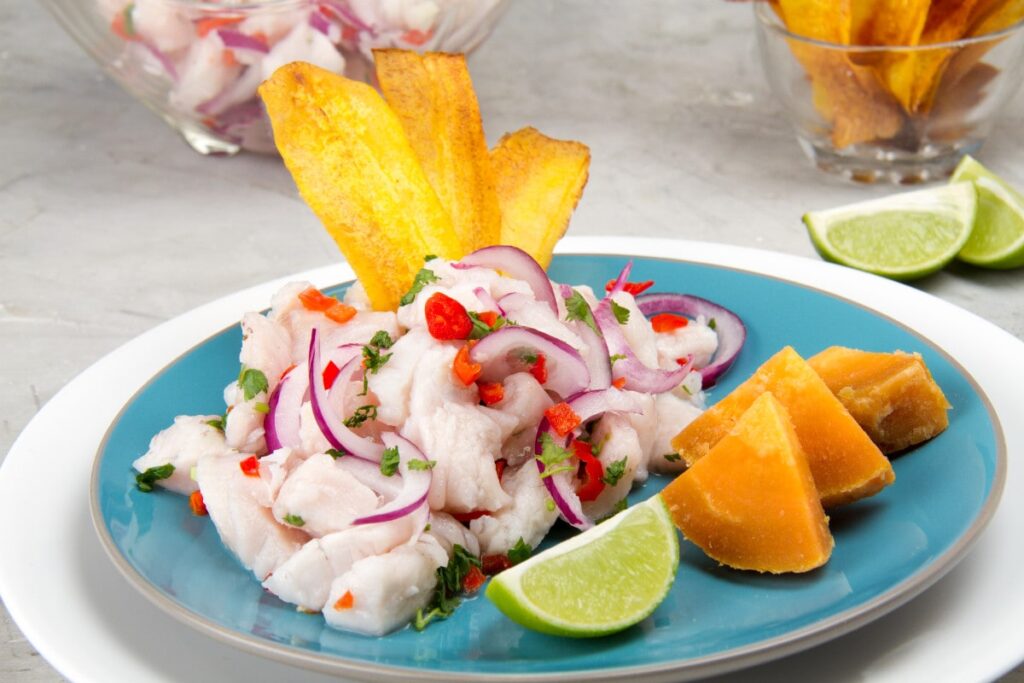
Expect to learn dishes like ceviche (raw fish marinated in lime juice with ají peppers and red onion), lomo saltado, causa rellena (layered potato terrine), and ají de gallina (creamy spiced chicken). Most classes include pisco sour preparation — Peru’s national cocktail — as both a skill lesson and a well-earned reward.
Cooking classes range from $25 to $70 per person for group classes, and $80 to $150 for private sessions.
Chocolate and Cacao Workshops
The Cusco region produces exceptional cacao, and chocolate workshops have become one of the city’s most popular culinary experiences. In a 2-hour workshop, you follow the entire bean-to-bar process: roasting raw cacao beans, peeling, grinding on a traditional stone batán, and tempering the chocolate into your own custom bars. Along the way, you learn about cacao’s sacred significance in pre-Columbian cultures (the Incas and their predecessors valued cacao as much as gold) and why Peruvian cacao is increasingly prized by craft chocolatiers worldwide.
Chocolate workshops cost between $20 and $40 per person.
Street Food Tours
For the most adventurous eaters, evening street food tours explore the informal food scene that emerges after dark around Cusco’s plazas and neighborhoods. Anticuchos sizzling over charcoal, salchipapas piled high with sauces, tamales steaming in corn husks — this is the food that Cusqueños eat after work, after festivals, after a night out. It is unpretentious, generous, and delicious.
Street food tours are usually the most affordable option, ranging from $20 to $45 per person.
10 Dishes You Must Try in Cusco
1. Cuy (Guinea Pig)
The most iconic (and polarizing) dish in Cusco. Cuy has been raised and eaten in the Andes for over 5,000 years — long before Europeans arrived with cattle and pigs. It is typically roasted whole or fried (cuy chactado), resulting in crispy skin and tender, dark meat often compared to rabbit or dark chicken. Cuy is not an everyday meal — it appears at celebrations, ceremonies, and special occasions. Eating it in Cusco is a genuine cultural experience, whether you love it or simply appreciate the history on your plate.
2. Lomo Saltado
Peru’s most popular fusion dish: strips of beef stir-fried with onions, tomatoes, ají peppers, and soy sauce, served over French fries and white rice. The dish is a perfect example of chifa — the Peruvian-Chinese culinary fusion that emerged when Chinese immigrants settled in Peru in the 19th century. Every restaurant in Cusco serves it, but the best versions use high-quality beef and cook it at screaming-hot temperatures for proper wok hei.
3. Ají de Gallina
A comfort food masterpiece: shredded chicken in a thick, creamy sauce made from ají amarillo peppers, ground walnuts, bread, and Parmesan cheese. The sauce is golden, mildly spicy, and impossibly rich. Served over rice with boiled potatoes and a hard-boiled egg, it is the kind of dish that makes you close your eyes and wonder why this is not famous everywhere.
4. Chairo
The quintessential Cusqueño soup: a thick, hearty broth loaded with chuño (freeze-dried potato), fresh potatoes, lamb, wheat, broad beans, carrots, and local herbs. This is high-altitude comfort food — the kind of dish that was designed to warm you at 3,400 meters when the evening cold sets in. Order it at any market stall and you will understand why soup is not a starter in Cusco — it is a meal.
5. Rocoto Relleno
A spicy pepper (rocoto) stuffed with seasoned ground beef, vegetables, olives, and hard-boiled egg, topped with melted cheese, and baked until bubbling. The rocoto pepper is native to the Cusco region and brings serious heat — but the stuffing balances the spice with savory richness. This is Arequipeño in origin but beloved throughout Cusco.
6. Anticuchos
Grilled beef heart skewers, marinated in vinegar, cumin, ají panca, and garlic. The origins are a blend of African cooking techniques (brought by enslaved people during colonial times) and Andean flavors. The result is tender, smoky, and deeply savory. Find them at street carts in the evening, where the charcoal smoke and sizzling sounds are part of the experience.
7. Chicharrón Cusqueño
Cusco’s version of chicharrón is a weekend morning tradition: thick cuts of pork belly slow-fried until crispy outside and melt-in-your-mouth tender inside, served with mote (giant corn kernels), mint-infused potatoes, and ají sauce. On Saturday and Sunday mornings, chicharrón vendors appear across the city, and following the locals to their favorite spot is one of the best food decisions you can make in Cusco.
8. Tamales Cusqueños
Wrapped in banana leaves and steamed, Cusco’s tamales are larger and more savory than versions found elsewhere in Latin America. The corn dough is dense and slightly spicy, filled with pork or chicken, olives, and ají. They appear at breakfast and as a portable street snack throughout the day.
9. Choclo con Queso
Deceptively simple and unforgettably delicious: giant Andean corn (choclo) boiled and served with a thick slice of fresh cheese and a spoonful of salsa. The corn kernels are enormous — easily three times the size of standard sweet corn — and have a starchy, nutty flavor unlike anything you have tasted before. This is pure Andean simplicity at its finest.
10. Chicha de Jora
Not a dish but a drink you must try: chicha de jora is a mildly fermented corn beer that has been brewed in the Andes since before the Inca Empire. It is sweet, slightly sour, and served in large glasses from clay pitchers. Traditional chicherías (identifiable by a red flag or flower hanging outside the door) serve freshly brewed chicha alongside simple food, and visiting one is one of the most authentic food experiences you can have in Cusco.
Where to Eat: From Market Stalls to Fine Dining
Budget (Under $5 per meal)
San Pedro Market remains unbeatable for value. Full lunches (soup, main course, drink) cost 5 to 10 soles. The juice stalls blend exotic fruits for 3 to 5 soles. For the best experience, sit at the counter stalls where locals eat — not the stalls with English-language signs.
Wanchaq Market is the local alternative to San Pedro, less touristic and with prices even more accessible. If you want to eat where Cusqueños eat, Wanchaq is the spot.
Mid-Range ($5 to $15 per meal)
Picantería restaurants across the city serve traditional Cusqueño cuisine in generous portions. Look for places advertising “menú del día” (daily set lunch) — you get soup, a main course, drink, and sometimes dessert for 10 to 20 soles.
Fine Dining ($20 to $50+ per meal)
Cusco’s fine-dining scene has matured remarkably. Restaurants now apply contemporary techniques to ancestral ingredients — quinoa risottos, cuy confit, cacao-based sauces, and multi-course tasting menus that take you through Peru’s ecological zones one plate at a time. Several Cusco restaurants have received international recognition, and dinner at one is the perfect complement to a daytime market tour.
Planning Your Cusco Food Experience
Day 1: Start with a guided San Pedro Market tour in the morning, followed by a cooking class. This gives you the foundation to understand Cusqueño ingredients and techniques.
Day 2: Join a walking food tour through the city, hitting street food vendors, picanterías, and a chichería. End the evening with anticuchos from a street cart near the main plaza.
Day 3: Take a chocolate workshop in the afternoon, then treat yourself to a fine-dining restaurant for dinner — you will appreciate the sophisticated versions of the dishes you have already tasted in their traditional forms.
Beyond the Plate: Food as Cultural Connection
What makes a Cusco food tour genuinely special is not the food alone — it is what the food represents. Every dish carries a story: the Inca engineers who invented freeze-drying potatoes a thousand years before modern science. The Chinese immigrants who fused their wok techniques with Peruvian peppers. The Andean mothers who still bless the first potato of each harvest with a prayer to Pachamama.
When you eat in Cusco, you are not just filling your stomach. You are participating in a conversation that spans millennia, connecting with a culture that expresses love, history, and identity through every meal it serves.
Ready to taste the real Cusco? Contact Qori Qilka Adventures to add a culinary experience to your Peru itinerary, or explore our full range of tours including food-focused adventures.
In Cusco, every meal is a story. Come hungry for both.
Etiquetas populares
Search
Category
Latest Posts
How to Choose the Best Machu Picchu Tour in 2026: Prices, Routes & Tips
Wachuma Ceremony in Peru: Sacred Healing in the Andes (2026 Guide)