
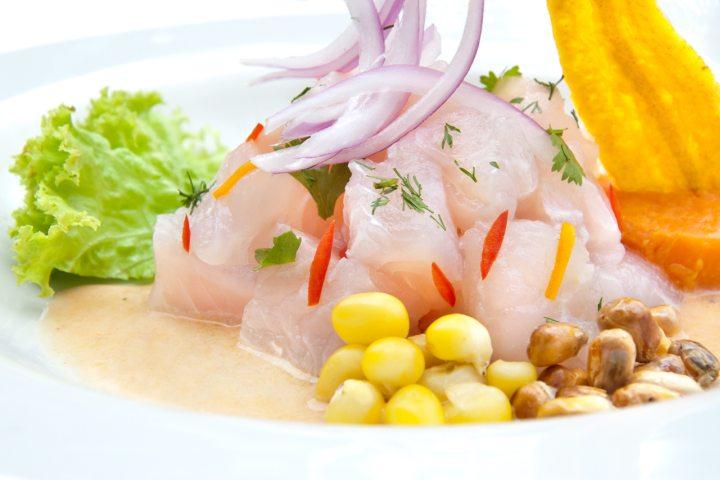
Ceviche, which originates from Peru, is one of Peru’s most popular dishes. It is widely recognized and eaten globally, and is very common on the coast of the country. Ceviche is prepared from both fresh fish and lemon juice and is very simple to prepare, even at home.
No matter if you’re new to cooking or if you’re a professional chef, this guide will teach you how to prepare Peruvian-style ceviche step by step. We’ll also look at the background behind ceviche, the different kinds, and the different types of tips for making sure that you make the best ceviche.
What Is Peruvian Ceviche?
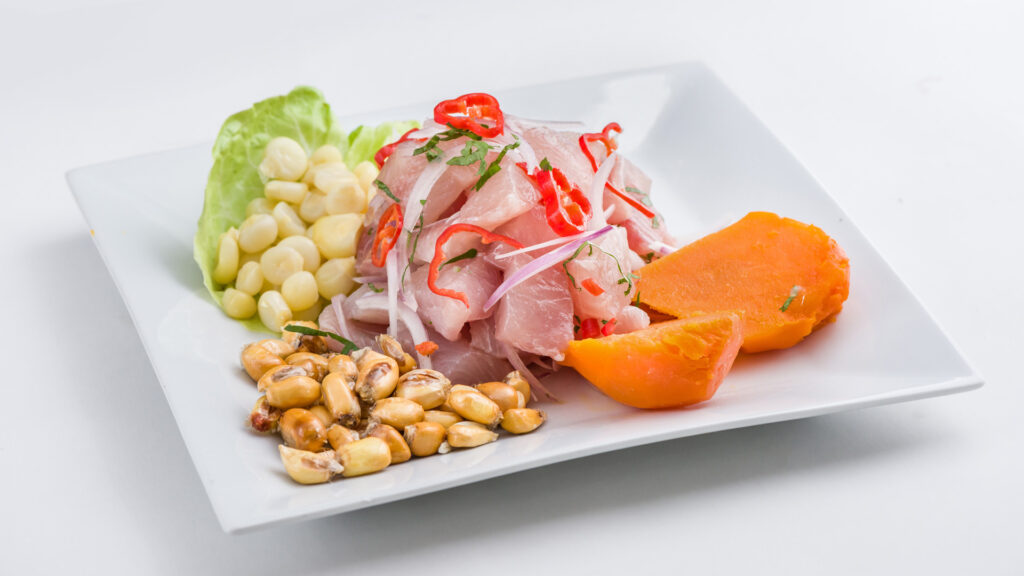
It is a seafood dish made from fresh fish or shellfish marinated in a citrus juice marinade such as lime juice. The citrus juices denature (cook) the proteins in the fish/shellfish without the use of heat. Ceviche is served cold and typically accompanied by sweet potatoes, corn and/or plantain chips as sides. Unlike ceviche from other countries in Latin America, ceviche from Peru uses only the freshest of ingredients and is given the least amount of marinade time to ensure that the fish/shellfish remains tender and retains its flavor. The end result is a very light, tangy appetizer or entrée that can be enjoyed during hot summer months or as a nutritious meal.
Ceviche’s popularity has spread around the world due in part to its simplicity along with bold taste; bringing the freshness of the sea together with Peru’s rich culinary heritage.
Peruvian Ceviche: Cultural Significance and Historical Evolution
Ceviche can be traced back to early Peruvian civilisations, particularly the Moche, who used fermented corn drinks and salt in preserving fish. It was only after the Spanish arrived in Peru that limes became the primary acidic source, which ultimately transformed Ceviche into today’s version.
Ceviche represents a major part of Peruvian culture and identity. It was named a Cultural Heritage of the Nation recently under the cultural heritage protection of Peru. UNESCO has also recently designated ceviche as an Intangible Cultural Heritage of Humanity due to its importance to Peruvian cuisine.
Ceviche is consumed in Peru on a daily basis from local fishing towns to high-end Lima restaurants. Each region offers its own version of ceviche, making it a very popular food.
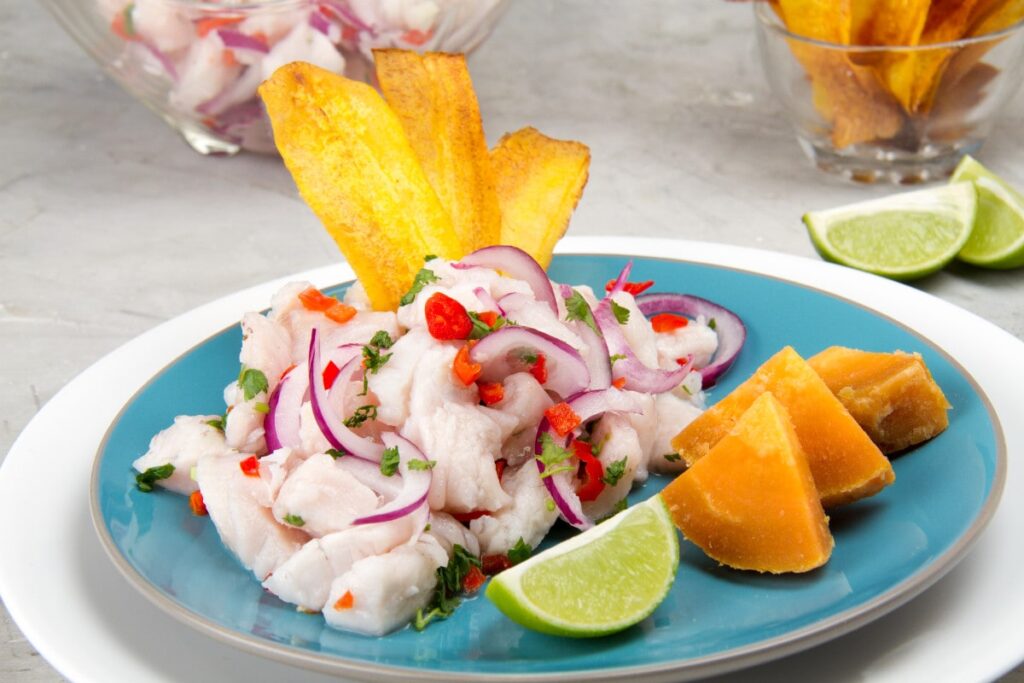
Ingredients:
- 1 kilo of fresh fish fillets (preferably white fish)
- 2 corn cobs
- 2 to 3 limo peppers (you can use ½ chopped rocoto pepper, depending on your taste)
- 20 lemons
- 2 large sweet potatoes
- 1 large red onion or 2 medium ones
- 1 ½ teaspoons salt
- ½ teaspoon black pepper
- 1 teaspoon seasoning (monosodium glutamate)
- 4 sprigs cilantro
- 1 ½ teaspoons minced garlic (or to taste)
- 6 leaves hydroponic, curly, or organic lettuce
Preparing the Fish and Aromatics
Step 1 – Wash the fish fillets thoroughly, then cut the fish fillets into 2cm cubes. Put them into a bowl. Ice works well if you prefer your fish to be firm and cold.
Step 2 – Finely dice the ají limo (or rocoto pepper) after removing all of the white seeds, which can make it very hot. For the onion, cut it in long, thin strips, creating a “feather” shape. If you want to remove the pungency from your raw onion, immerse the cut onion into a bowl of clean water mixed with 1 tbsp of white sugar.
Step 3 – Chop the leaves of cilantro from their stems and chop them into small pieces.
Preparing the Side Dishes – Corn and Sweet Potato
The easiest way to prepare the corn and sweet potato quickly is to parboil them using your microwave.
Cooking time is approximately 3 minutes for both corn and sweet potato.
After microwaving both, you must remove the skin from the sweet potato and cut both sweet potato and corn into medium-sized pieces.
Variations and Pro Tips for the Best Ceviche
- Ceviche Mixto: Add shrimp, squid, or octopus for a seafood medley.
- Spice Level: Use milder peppers like jalapenos if aji limo isn’t available.
- Vegan Twist: Swap fish for mushrooms or hearts of palm.
- Tips: Always use cold ingredients to keep everything crisp. If you’re in a rush, try a 2-minute marinade for sushi-like texture. Store leftovers in the fridge for up to 24 hours, but it’s best eaten fresh.
Experiment with regional styles – northern Peru adds more chili, while southern versions might include seaweed.
Why Peruvian Ceviche Should Be Your Next Culinary Adventure
From its ancient origins to its modern-day fame, authentic Peruvian ceviche captures the essence of Peru’s coastal cuisine. Easy to prepare yet impressively flavorful, it’s a dish that brings people together. Ready to try this ceviche recipe? Gather your ingredients and dive in – your taste buds will thank you!
If you make this at home, share your photos in the comments. For more Peruvian recipes, check out our guides on aji de gallina and lomo saltado.