You may have also dreamed of visiting Machu Picchu (the Incan city in Peru), where you’ll likely have envisioned the many ‘llama-like’ animals ambling through the ruins. But, are those llamas or alpacas? Many travelers confuse the two species of animals because both are cute, fluffy and hail from the camel family that includes South America. This blog will look into identifying these two species of animals, outlining their main differences and looking at how they are utilized in South America, including around Machu Picchu. In addition, we will provide reliable information that will help you distinguish between llamas and alpacas so you can enjoy them like an expert on your next trip.
What Animals Roam Machu Picchu?
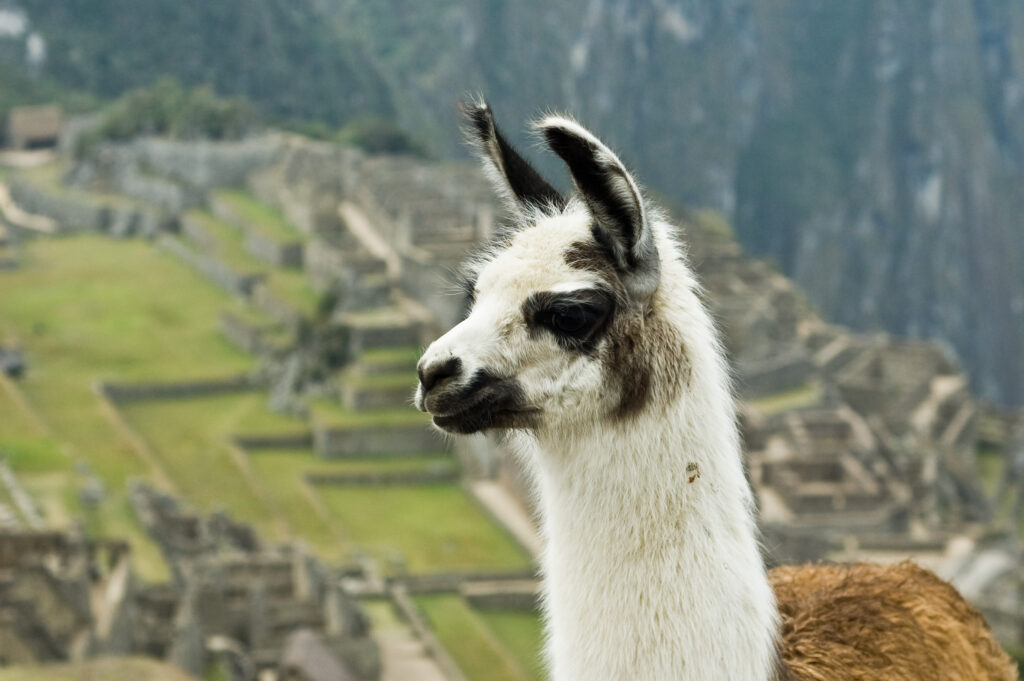
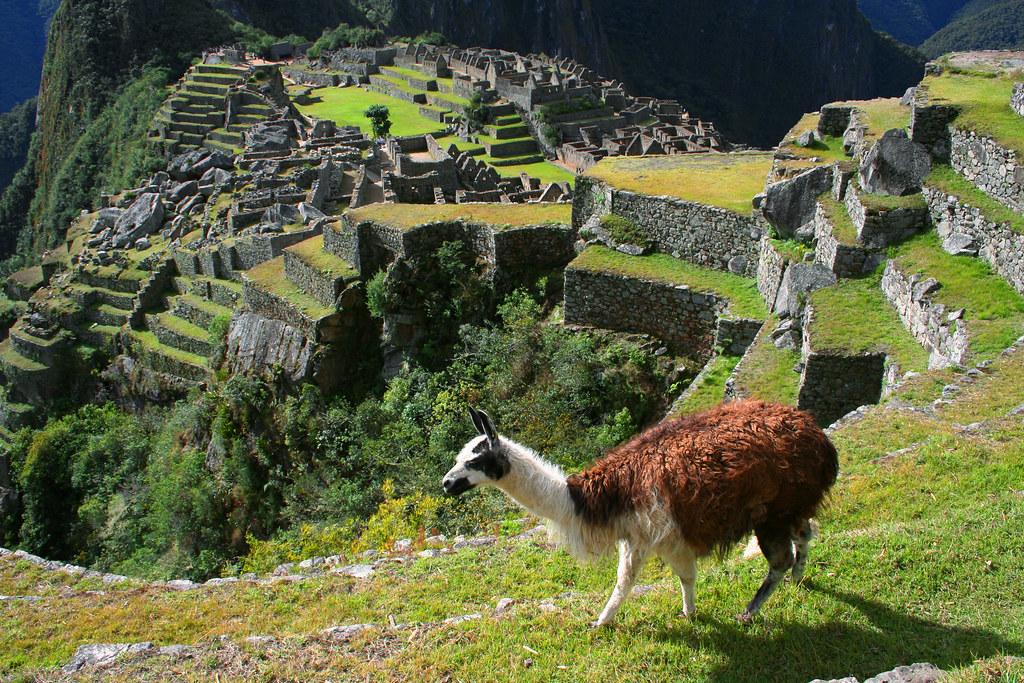
First of all, when you are taking pictures of Machu Picchu, you are most likely going to be with llamas and not with alpacas. Llamas are the bigger kind of animal that you will see when you visit Machu Picchu, and you will find them grazing in the terraced lawns at Machu Picchu. The reason that llamas are at Machu Picchu is not only to provide for the visitors at the site, but also to help with the grass maintenance of the site, as they naturally eat the grass and keep the area clean and looking historical before the advent of modern-day mowing machines. Alpacas, however, can be found mainly in higher altitude areas such as farms and pastures, where they produce soft luxurious wool; Alpacas are generally not something that you will find at Machu Picchu but are more commonly seen in the Sacred Valley and other areas nearby. To provide you with a visual of this idea; this is a classic picture of a llama just hanging out between the stone structures at Machu Picchu.
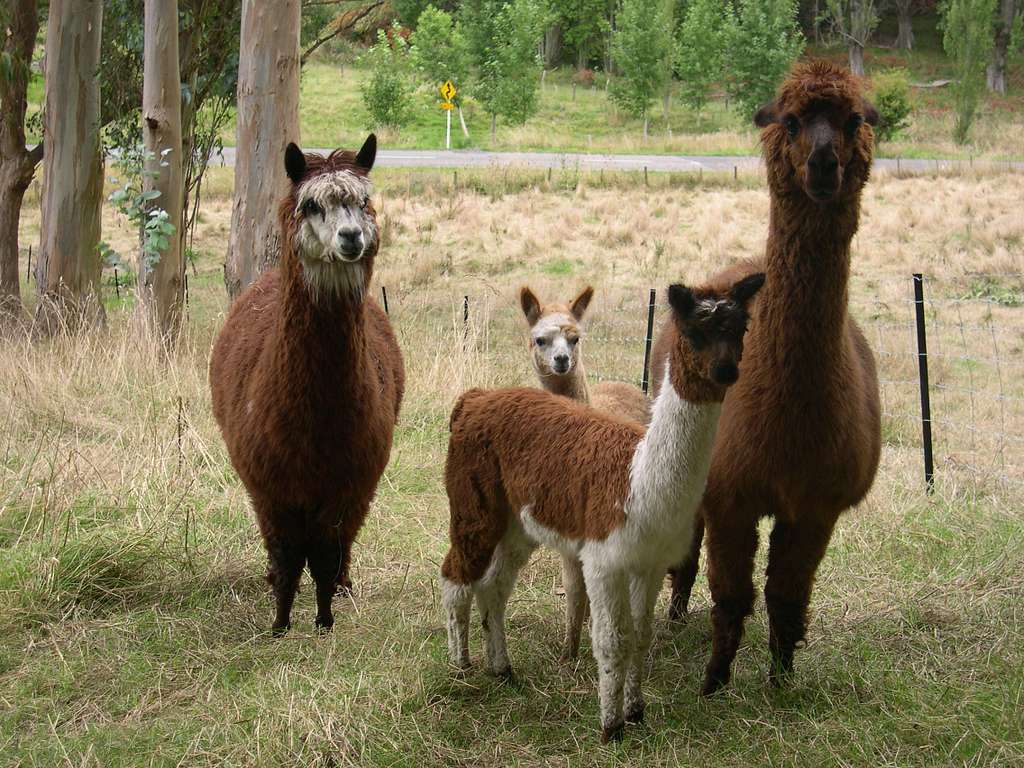
And for contrast, imagine an alpaca in a similar setting—though they’re rarer at the site, they’re just as photogenic in the Andean landscape:
Identifying Llamas vs. Alpacas: Key Visual Cues
To identify the difference between llamas and alpacas, simply do a brief glance at each. Llamas and alpacas are both domesticated camelid species. However, they have been selectively bred by the Andean cultures for thousands of years to serve different purposes. Thus, the differences become evident when examining their appearance.
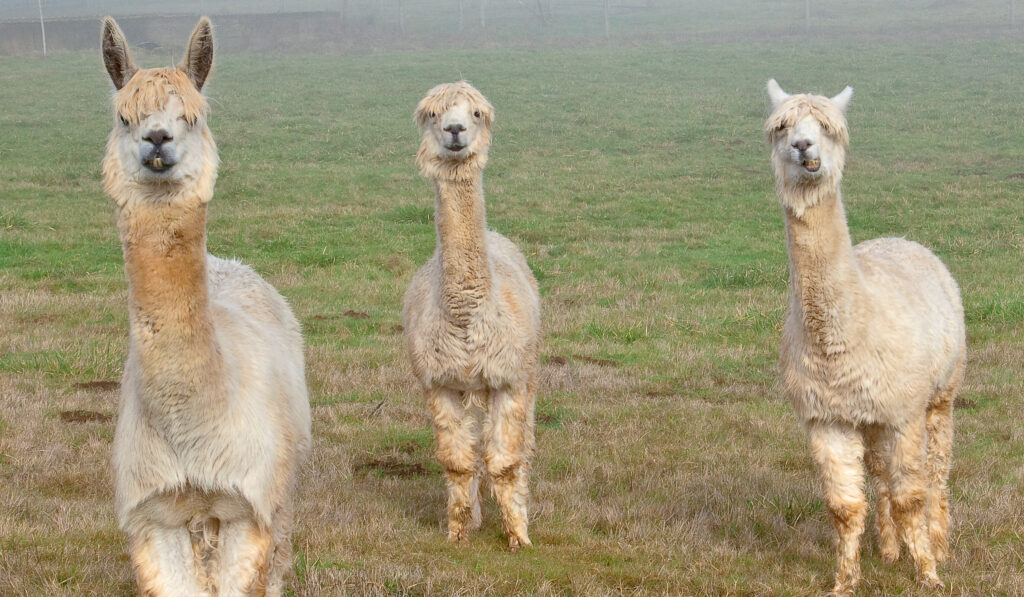
- Ears: This is the easiest giveaway. Llamas have long, curved ears that look like bananas, while alpacas sport shorter, straighter ears shaped like spears.
- Face and Head: Llamas have longer, more elongated faces with less wool, giving them a sleeker look. Alpacas have shorter, blunter snouts often covered in fluffy wool, making them appear cuter and more “puffed up.”
- Size and Build: Llamas are the big guys, standing 5.5 to 6 feet tall at the head and weighing 250 to 450 pounds. Alpacas are smaller, typically 3 feet at the shoulder and 100 to 200 pounds, with a more compact, fluffy body.
- Wool: Alpaca fleece is finer, softer, and more uniform—perfect for high-end textiles. Llama wool is coarser and often used for rugs or outerwear
Comparing Llamas and Alpacas: A Quick Table
To make it even simpler, here’s a handy comparison table based on expert insights from Andean travel specialists:
| Feature | Llama | Alpaca |
| Size | Larger (250-450 lbs, 5.5-6 ft tall) | Smaller (100-200 lbs, ~3 ft at shoulder) |
| Ears | Long, banana-shaped | Short, spear-shapedc |
| Face | Longer, less woolly | Shorter, blunter, more woolly |
| Wool Quality | Coarser, varied colors | Finer, softer, more uniform |
| Personality | Independent, can be protective | Gentle, herd-oriented |
| At Machu Picchu | Common, used for site maintenance | Rare, more in surrounding farms |
| Primary Use | Pack animal, meat, guarding | Wool production |
Understanding Their Cultural and Ecological Roles
While llamas are definitely cute, they are also very useful in the daily lives of many Andean people. Llamas have been domesticated for over 5,000 years and have historically served as beasts of burden (a.k.a., pack animals) on treacherous mountain trails—that’s right, they were the original delivery service for the Inca nation. At Machu Picchu, llamas serve as eco-friendly landscapers in that they help prevent overgrowth that could threaten the stones.
Alpacas, on the other hand, are prized for their hypoallergenic wool which is warmer than sheep’s wool and comes in more than 20 natural colors. Alpacas are more skittish than llamas and prefer to be in wetter, higher-altitude pastures which is why you won’t see too many alpacas at Machu Picchu.
Don’t forget about the wild relatives of the llama and alpaca: vicuñas, which are smaller and wilder than the two domesticated species and produce ultra-fine wool, and guanacos, which are llama ancestors. But if you’re at Machu Picchu, you will primarily see llamas as they are the symbol of resilience in one of the most breathtaking sites in the world.
The next time you are hiking the Incan steps of Machu Picchu, you will know exactly what to look out for. From the beautifully majestic llama posing for your camera to the alpaca in a nearby village, both animals add a touch of magic to the picturesque landscape of Peru. If you are planning a trip to Peru, make sure to bring binoculars so you can identify each of these animals for yourself!