
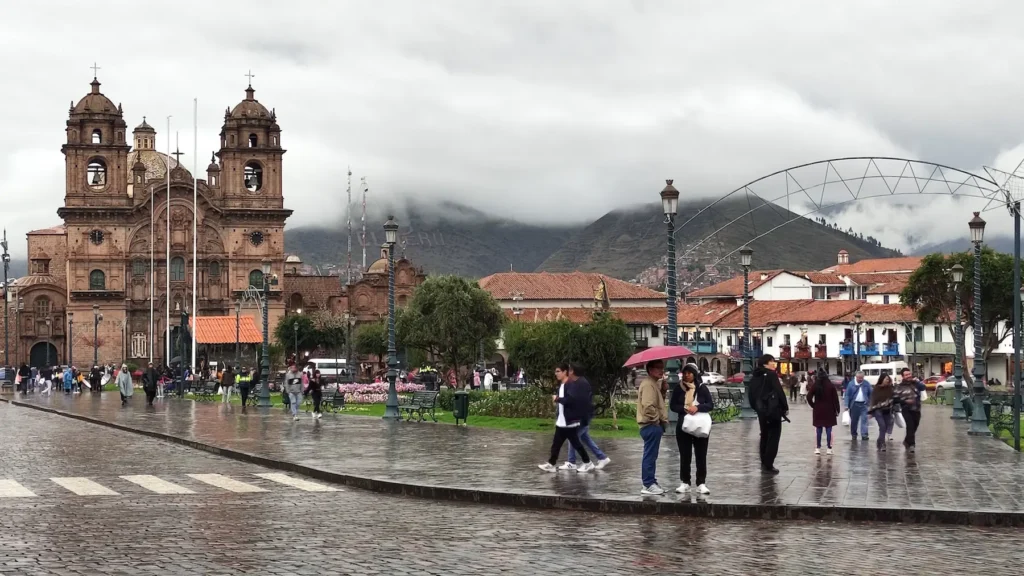
The ancient Incan capital of Cusco, located in the Andean mountains of Peru at approximately 11,150 feet (3,399 meters) elevation, has a subtropical highland climate with two distinct climatic seasons, the dry season (May through September) and wet season (November through April). This means that Cusco is a year-round destination; the time that is best for you to visit will depend on your personal preference regarding the weather, crowds, cost, and activities available to you during your visit, such as hiking to Machu Picchu or visiting the Sacred Valley. According to current climatic conditions, it is anticipated that in 2026, the weather patterns for Cusco will remain typical, with neutral El Niño conditions, resulting in relatively stable dry seasons available for trekking and wet seasons with lush greenery; however, there may also be some unexpected disruptions due to climatic events. The best overall times to visit Cusco are in the shoulder months (April-May and September-October) when temperatures are mild, crowds are smaller, and overall costs are generally less.
The peak dry season generally occurs from June to August, during which time there is the possibility of clear skies, but this dry period will likely be accompanied by both high crowd levels and high costs. The wet season, especially in January and February, is a great opportunity to find discounts and experience the lushness of Cusco. However, you do run the risk of experiencing heavy rains during your trip.
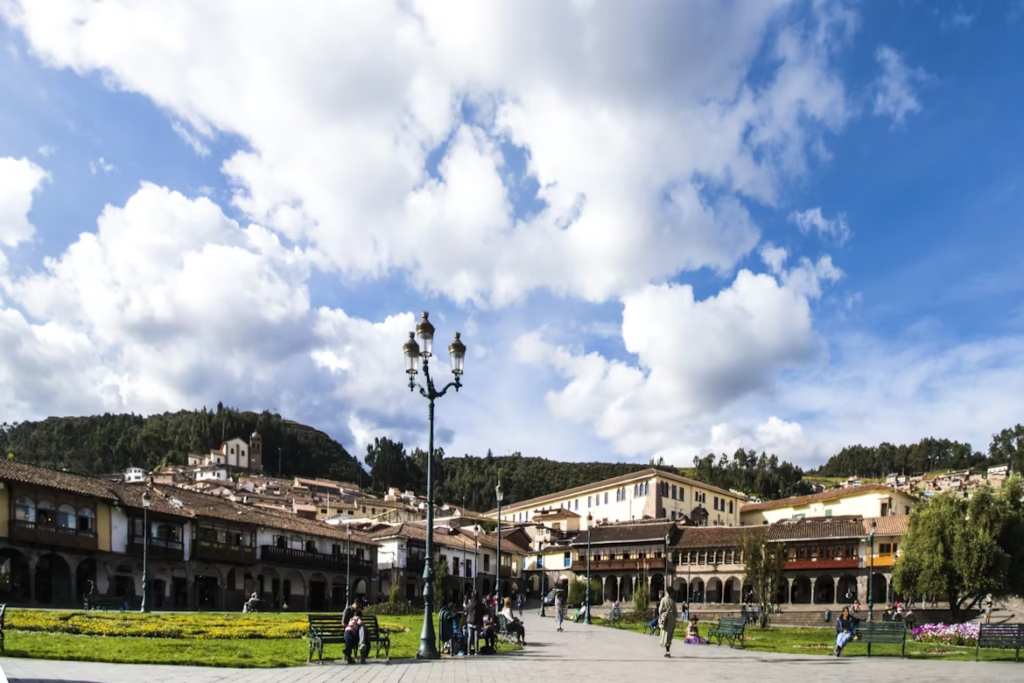
Understanding Cusco’s Seasons and Weather Patterns
As a result of its high elevation, Cusco enjoys most months warm and sunny during the day with nighttime temperatures that drop significantly. Annual temperature variation is very small (approximately 3-4 degrees Celsius).
The Dry Season (May through September) is characterized by clear skies, little precipitation (0-0.5 inches of precipitation per month), and is the best opportunity for hiking (for example, the Inca Trail and Salkantay), complete photo opportunities, and taking part in festivals. Daytime temperatures are average between 65 and 75 degrees Fahrenheit (18 to 24 degrees Celsius) while the nighttime temperature ranges from 32 to 45 degrees Fahrenheit (0 to 7 degrees Celsius). The peak for tourist volume and activity is between June to August.
The Wet Season (approximately November through April) is marked by an average of daily afternoon showers and/or thunderstorms that typically deposit between 1 to 6 inches of rain per month; the scenery becomes lush and green, but fewer tourists come to Cusco during this time than in the dry season. Daytime temperatures are typically between 60 and 70 degrees Fahrenheit (15 to 21 degrees Celsius) with night temperatures ranging from 40 to 50 degrees Fahrenheit (4 to 10 degrees Celsius); Humidity can create a chill that makes 40 to 50 degrees Fahrenheit feel colder than it is. Budget-friendly travelers can benefit from lower expenses during this time as well as have the opportunity to experience the local culture; however, due to the moisture, the trekking trails are often slippery, and sometimes closed (for example, the Inca Trail can be closed in February).
Transitional months (April and October) have a little precipitation and a modest number of tourists and offer tourists value and comfort.
The weather in Machu Picchu, which is just under 7,970 feet in elevation, is typically warmer and more humid than in Cusco, with average daytime temperatures being between 60 and 75 degrees Fahrenheit (15 to 24 degrees Celsius); visibility is usually better during the dry season there than in the wet season.
Monthly Weather and Travel Guide for Cusco in 2026
has monthly breakdowns so you can make your travel plans much easier! Below you will see a table that shows you side-by-side how each season in Cusco breaks down. You can see the advantage and disadvantage of each month, as well as what type of activity/time frame will work best for that month.
| Month | Avg. Day Temp (°F/°C) | Avg. Night Temp (°F/°C) | Rainfall (inches/days) | Key Events/Notes |
|---|---|---|---|---|
| January | 65-66 / 18-19 | 42-43 / 5-6 | 5-6 / 18-20 days | Peak rain; green landscapes; potential fog at sites. |
| February | 64-66 / 18-19 | 42-43 / 5-6 | 5-7 / 20+ days | Wettest month; Inca Trail closed; waterfalls at peak; authentic local vibe. |
| March | 65-68 / 18-20 | 42-46 / 5-8 | 4-5 / 15-18 days | Rains taper; morning fog; good for cultural sites; improving trails. |
| April | 66-70 / 19-21 | 39-46 / 4-8 | 1-2 / 8-10 days | Shoulder start; pleasant days; Easter festivities; great for hikes before major changes. |
| May | 66-70 / 19-21 | 36-41 / 2-5 | 0-0.5 / 2-5 days | Dry season begins; blue skies; ideal for Machu Picchu views; book early. |
| June | 65-68 / 18-20 | 32-37 / 0-3 | 0 / 0-2 days | Driest; Inti Raymi festival (June 24); perfect trekking; chilly nights—pack warm layers. |
| July | 65-66 / 18-19 | 32-37 / 0-3 | 0 / 0-2 days | Sunny; Fiestas Patrias (July 28-29); strong UV—use protection. |
| August | 66-68 / 19-20 | 33-39 / 1-4 | 0-0.5 / 1-3 days | Warm days; windy; great for Sacred Valley; advance bookings essential. |
| September | 66-70 / 19-21 | 38-41 / 3-5 | 0.5-1 / 3-5 days | Late dry; clear views; spring blooms start. |
| October | 68-72 / 20-22 | 40-46 / 4-8 | 1-2 / 5-8 days | Warmest; shoulder end; occasional showers; good deals before rains. |
| November | 70-72 / 21-22 | 41-46 / 5-8 | 2-3 / 10-12 days | Rains increase; greenery returns; quiet trails; holiday prep. |
| December | 66-70 / 19-21 | 41-46 / 5-8 | 4-5 / 15-18 days | Festive; afternoon rains; Christmas markets. |
Detailed Monthly Insights
- January and February represent the period of (Peak Wet) Season for Central America. The increased annual rainfall creates an atmosphere for dramatic photography of the ruins surrounded by thick fog as well as an opportunity to capture full waterfalls. Advantages: Low cost of travel and fewer tourists visiting these areas. Disadvantages: Slippery terrain and possible closures due to the weather. Tip: Focus on visiting indoor museums located in Cusco and pack waterproof boots and clothing.
- March and April are both considered (Late Wet/Early Shoulder Season). The weather starts to transition at this point, creating an abundance of sunshine. Excellent value opportunities for hikers. Easter (April) offers wonderful opportunities to see the Passion Processions.
- May and June represent (Early Dry Season), offering the most ideal opportunity to enjoy Machu Picchu views without obstruction. Inti Raymi Festival takes place during this time and should also be planned for ahead of time (approximately six months in advance to ensure availability).
- July and August (Peak Dry Season) represent the best opportunity for trekkers to enjoy an intense trekking experience, calendar year of trekking. National holidays during the year also provide additional energy to this time of year.
- September and October represent (Late Dry/Shoulder Seasons). As the temperatures continue to warm, people begin to experience a gradual decrease in their activity levels due to the less humid weather. This season is most suitable for photographers due to reduced number of tourists visiting during this period and the lower price of hotel accommodations and tour hired to enable you to reach your destination.
- November and December (Early Wet Season) provide a lush green background and a wide variety of Christmas cheer throughout the region. This season is well-suited for travelers who have flexibility in their travel schedules.
Tips for Planning Your Cusco Trip in 2026
Essentials to Pack – Layers for fluctuating temperatures; raincoat (for when you travel during wet season), good quality hiking boots; Sunscreen (high SPF recommended), medication for altitude sickness (a requirement as arrivals will feel the high elevation in Cusco immediately).
Booking Recommendations – For the dry season, book your train & hike at least 3 to 6 months in advance of your visit; For the wet season, you can be flexible and take advantage of lower rates, but be sure to inquire about any scheduled closures.
Activities by Season – Outdoor activities are best during the dry season; For the wet season, events such as fairs and festivals will be more frequent, as well as the markets you visit for your souvenirs and, if you begin your adventure in Cusco, you may wish to continue to nearby Sicuani for an authentic Andean experience.
Sustainable Travel – Travel off-season to lessen the impact of over-tourism and utilize local guides for your support.