
Picture this. You are huffing up a dusty path out of Cusco, legs burning a little, and then bam, Sacsayhuaman hits you like a stone giant waking from a nap. Those walls do not just sit there. They loom, zigzag, and dare you to figure them out. It is half fortress, half riddle, all jaw-dropping.
Stick around. We are about to ramble through the Sacsayhuaman mystery, poke at the fortress of Sacsayhuaman, and sort the boring bits like the Sacsayhuaman ticket. You will get the name, the hike from town, the weird tunnels, all of it, no fluff.
Location and Access
Where Exactly Is Sacsayhuaman?
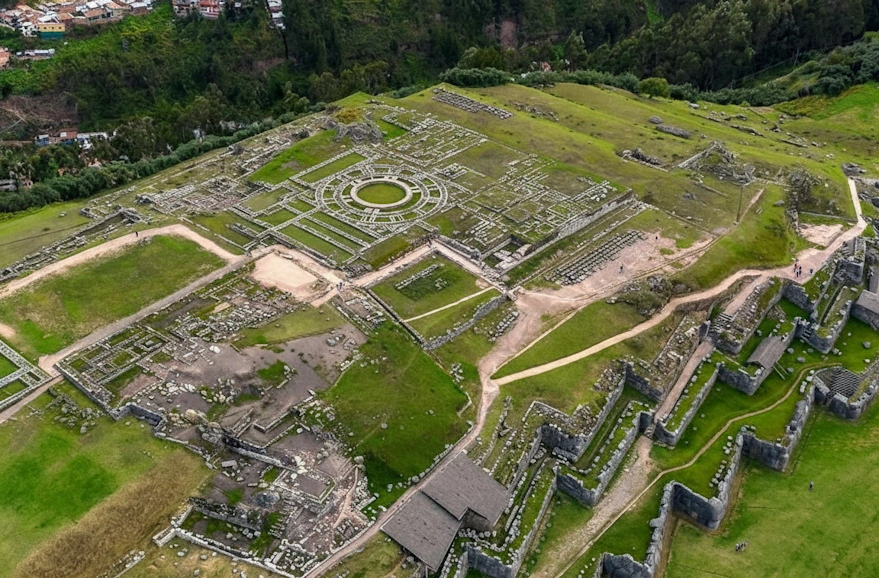
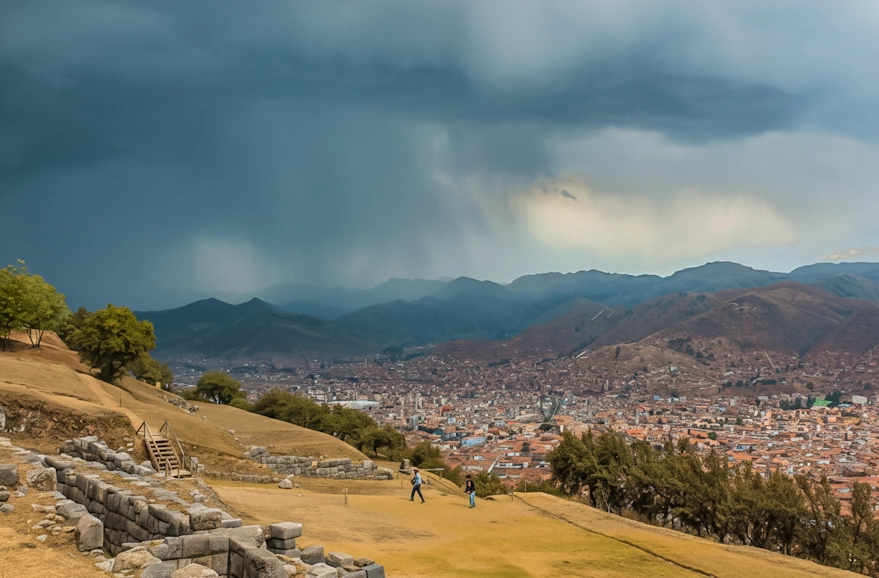
It is basically Cusco’s rooftop, a steep hill maybe a mile north of the main plaza. You look up from the city and spot those jagged walls of Sacsayhuaman cutting the skyline. The whole Sacsayhuaman archaeological park sprawls over the ridge, blending into the slope like the mountain decided to grow teeth.
Old Inca city planners saw Cusco as a puma, and this spot was the head. On a good day you can pick out red-tiled roofs way below and the Andes marching off into forever. Close but uphill, that is the deal.
Getting from Cusco Center to Sacsayhuaman
Easiest is to walk. Start at Plaza de Armas, weave past the cathedral, dodge a few street vendors selling alpaca hats, and just keep climbing. The road turns to steps, then dirt, and twenty minutes later you are staring at the entrance sign. Your calves will complain, but the views pay the bill.
Or flag a cab. Five minutes, cheap ride, drop-off right at the gate. Collectivos run the route too if you like squeezing in with locals. Bikes work for the brave, though coming down is more fun than going up. Any path you pick ends with that first whoa moment when the fortress of Sacsayhuaman fills your eyes.
Meaning and History
Sacsayhuaman means something like satisfied falcon if you trust the Quechua experts. Imagine a bird circling high, belly full, eyeing the valley. Emperor Pachacuti kicked off the build in the 1400s, turning a hill into a statement. What began as defense slowly became ceremony central.
Then the Spanish showed up. In 1536 Manco Inca holed up here, and the walls of Sacsayhuaman laughed at cannon fire for months. Eventually the conquistadors won, then started stealing stones for their churches. Gaps you see today are colonial souvenirs. Dig a little and you find offerings, bones, whispers of rituals nobody wrote down.
Every shovel of dirt adds a twist. Was it mostly a fort? A temple? Both? You stand there and the stones refuse to pick a side.
Architecture of Sacsayhuaman
How They Built Sacsayhuaman
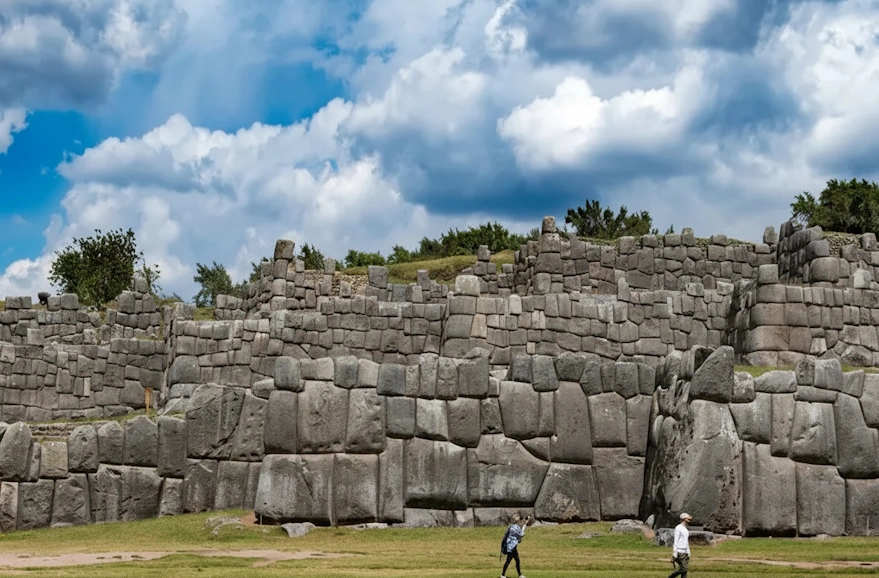
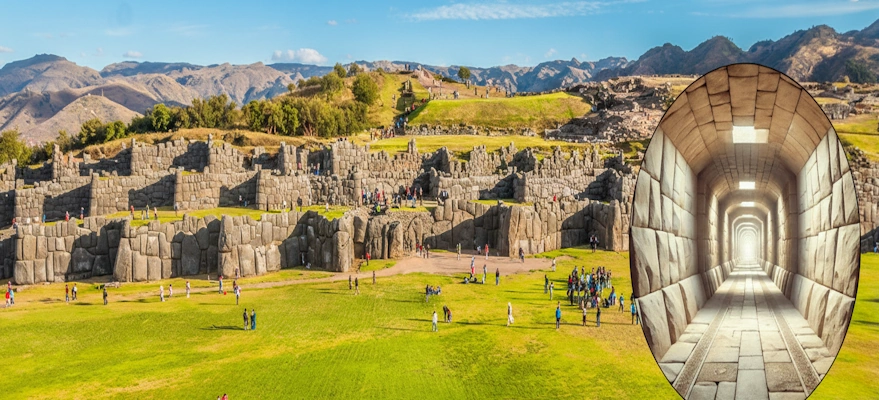
The walls of Sacsayhuaman are the star. Blocks the size of pickup trucks, some over a hundred tons, slotted together without a drop of mortar. You run your hand along the joints and cannot find a crack wide enough for a coin. They hauled stone from quarries miles away using ramps, rollers, and sheer stubbornness.
Bronze chisels, harder pounding stones, endless tweaking until every angle locked. The zigzag shape was not just pretty. It absorbed earthquake shakes while everything else fell. Cusco still quakes, and the walls still stand, smug as ever.
Fixing and Remodeling Sacsayhuaman
Spanish victory meant demolition. Towers, roofs, fancy bits, gone for quick building material downtown. What is left is the tough base layer. Twentieth-century crews stepped in to keep it from sliding downhill, propping, clearing, patching carefully.
Drones now spot buried foundations, hinting at lost courtyards. You notice fresher stone in spots, quiet proof humans keep nudging the Sacsayhuaman mystery upright.
Tourist Attractions of Sacsayhuaman
Those Crazy Cyclopean Walls
Get close and tilt your head back. Three stories of rock in places, each block a different personality. Some bulge, some slice, all fit like puzzle pieces from a giant’s game. Late afternoon light turns them gold, shadows carve new shapes.
Kids scramble on the lower parts until a guard waves them off. The size messes with your eyes, what looked manageable from a distance suddenly eats the sky.
The Big Field and Inti Raymi
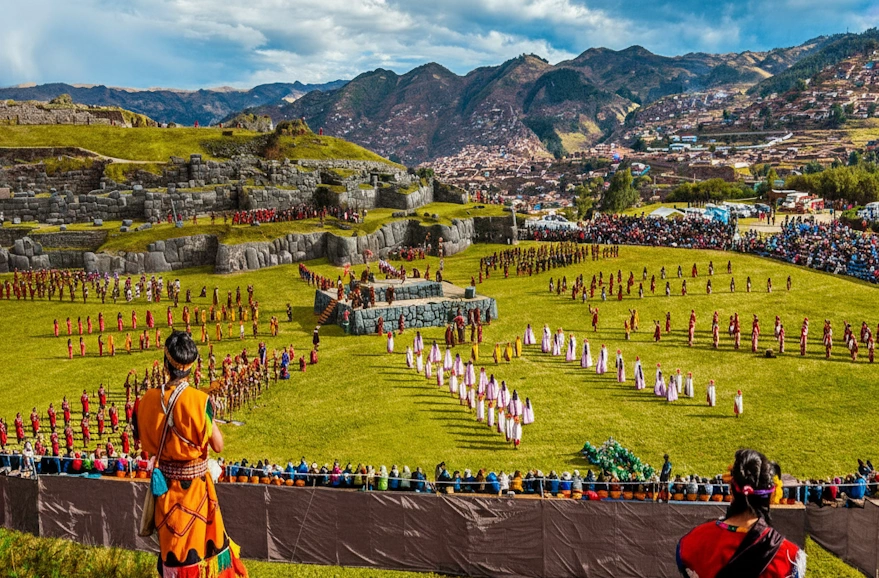
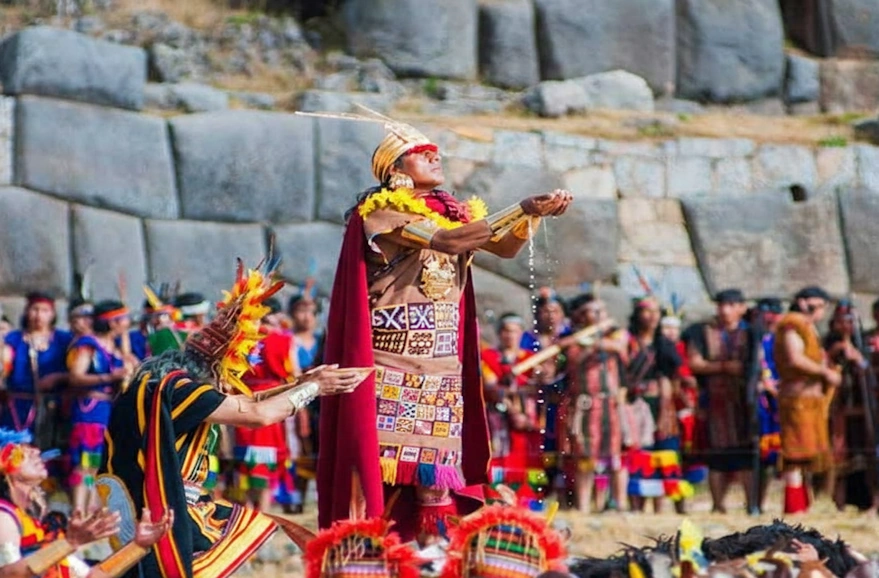
A huge grassy stretch sits in the middle, perfect for flopping down with a sandwich. Come June 24 it transforms. Inti Raymi packs the place with color, drums, actors playing Inca royalty under a blazing sun.
Even empty the esplanade hums, waiting for the next solstice party.
El Rodadero, the Natural Slide
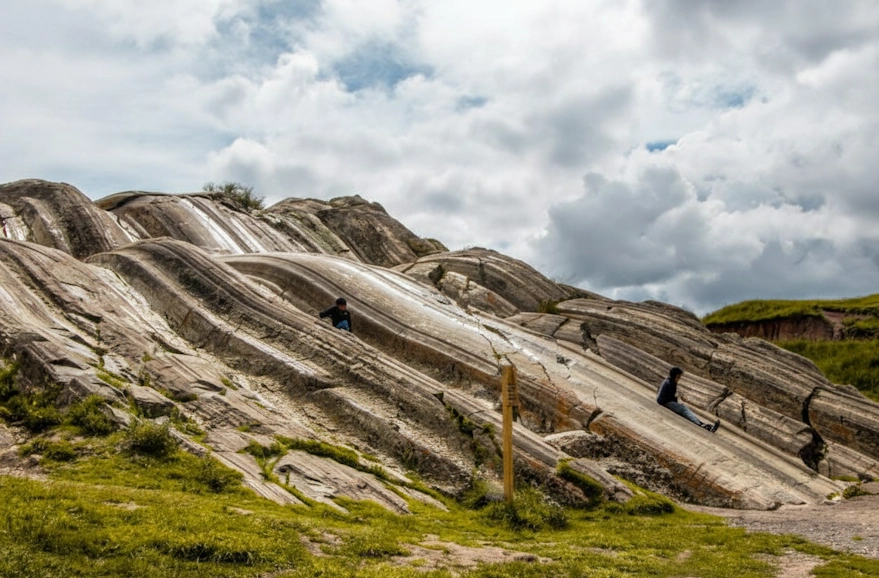
One hillside hides a glassy volcanic chute. Kids call it El Rodadero and treat it like a free ride, scooting down with whoops. The rock is warm, smooth, begging for a turn.
Bring cardboard if you are game. Short but worth the dusty jeans.
The Three Tower Bases
Muyuq Marka, Sallaq Marka, Paucarmarka, just foundations now. Once they held round towers scanning every direction. Sunset paints the stubs orange, wind moans through ghost doorways.
La Chincana Tunnels
A skinny crack in the rock invites trouble. La Chincana twists underground, forks, shrinks. Take a light, a friend, and do not get cocky. Tales say it links to the city temple miles away, but good luck proving it.
Cool, dark, full of Sacsayhuaman mystery.
The Incas Throne
A carved ledge overlooks everything. Climb up, sit, and suddenly you are emperor for a minute. The view is ridiculous, stone channels nearby once carried offerings.
Stay till the rock fits your shape.
Water Channels and Fountains
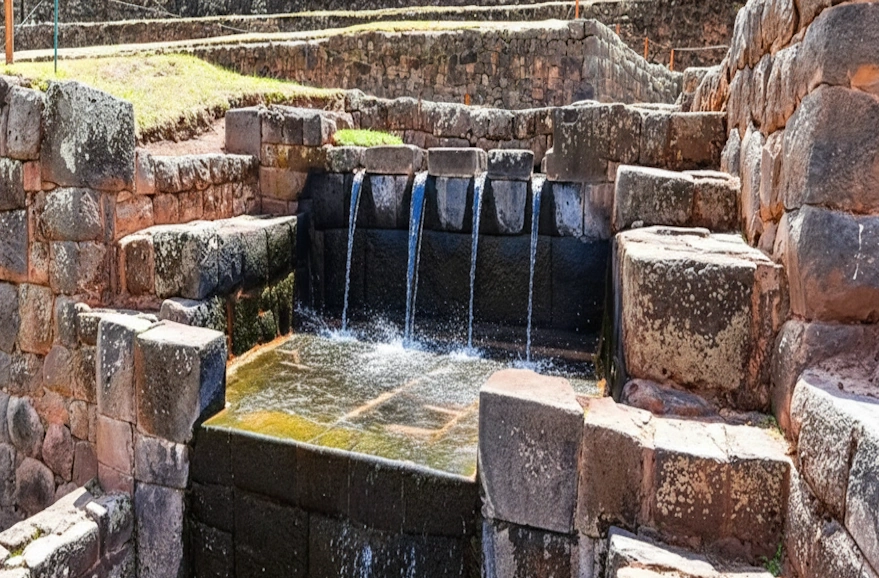
Little canals still guide water between walls, precise as surgery. Ritual basins catch the flow, cold from mountain snow. Follow the trickle and marvel at gravity doing all the work.
Admission Ticket to Sacsayhuaman
Ticket for Foreign Visitors
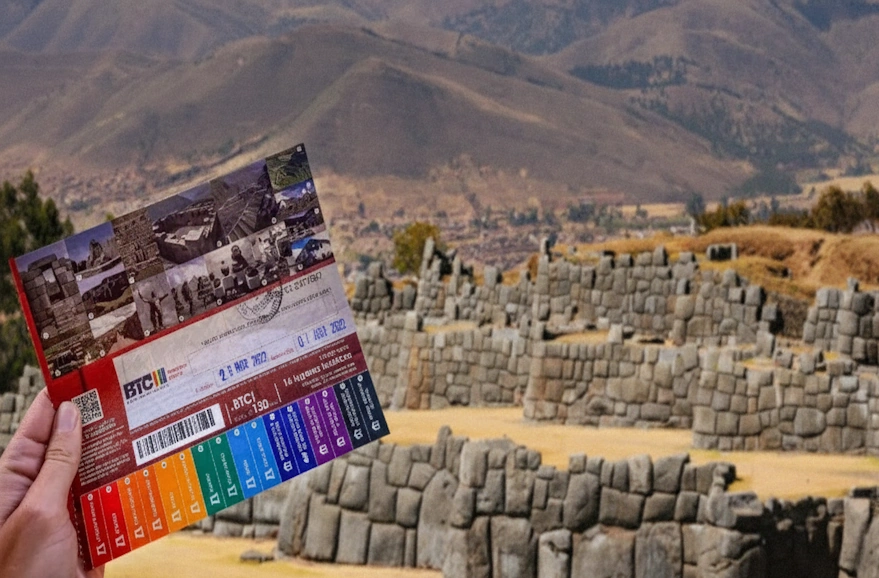
You need the “Boleto Turistico”. Grab it downtown on Avenida El Sol to skip gate lines. Covers the Sacsayhuaman archaeological park and a bunch more sites. Good for ten days, plenty of time to wander.
Ticket for Peruvians
Locals flash ID for a cheaper version. Students too. Keeps the past open to everyone.
Weather in Sacsayhuaman
Altitude plays tricks. Dawn is chilly, jacket weather. By lunch the sun roasts the stones. Rain can pop up fast, especially wet season. May to September is drier, colder nights, perfect blue skies.
Layers, water, sunscreen, expect flips.
Visiting Hours at Sacsayhuaman
Seven to six daily. Early beats the crowds, late catches golden light. Last entry half hour before closing. Holidays might shift, ask around.
Festivities in Sacsayhuaman
Inti Raymi rules June. September brings Warachikuy, young guys slinging stones, racing, proving toughness. Random weekends pop with music, dances, craft stalls. You never know what you will stumble into, flutes bouncing off the fortress of Sacsayhuaman.
You walk away from Sacsayhuaman with sore feet, a head full of questions, and maybe a bruise from sliding El Rodadero. The place sticks. You will plot your return before the bus hits pavement, already tasting the dust and hearing the wind in those tunnels.
Frequently Asked Questions
Where is Sacsayhuaman located? Just north of Cusco on a hill, part of the Sacsayhuaman archaeological park, around 12,000 feet up.
How to get from Cusco center to Sacsayhuaman? Walk twenty minutes uphill, taxi five, or catch a collectivo toward the ruins.
What does Sacsayhuaman mean? Satisfied falcon in Quechua, give or take.
When did they build Sacsayhuaman? Started mid-1400s under Pachacuti, took generations.
Do you need a Sacsayhuaman ticket? Yes, Boleto Turistico, gets you in and more.
What are Sacsayhuaman hours? 7 a.m. to 6 p.m. daily, last entry 5:30.
Weather at Sacsayhuaman? Cool start, warm middle, possible rain. Dry season May-Sept is prime.
What is Inti Raymi at Sacsayhuaman? June 24 sun festival, massive reenactment, costumes, the works on the main field.