
Things to Do in Cusco: 15 Unmissable Experiences Beyond Machu Picchu (2026)
Home » Blogs Elementor » Things to Do in Cusco: 15 Unmissable Experiences Beyond Machu Picchu (2026)
Search
Category
Latest Posts
How to Choose the Best Machu Picchu Tour in 2026: Prices, Routes & Tips
Cusco Food Tours: A Culinary Journey Through the Andes (2026)
Wachuma Ceremony in Peru: Sacred Healing in the Andes (2026 Guide)
- Qori Qilka
- February 26, 2026
- No Responses
Most travelers arrive in Cusco with a single mission: reach Machu Picchu. And while the lost citadel absolutely deserves its place on every bucket list, treating Cusco as merely a transit point is like visiting Paris only to catch a train to Versailles. You would miss the soul of the place entirely.
Cusco was the navel of the world — Qosqo in Quechua — the beating heart of an empire that stretched across six modern countries. Today, it remains a city where Inca stone walls support colonial balconies, where Andean cosmology coexists with Catholic cathedrals, and where ancient traditions are not museum exhibits but living practices woven into daily life.
Whether you have one day or one week, these 15 experiences will show you the Cusco that exists beyond the Machu Picchu tour buses — the city and region that locals love, that adventurers crave, and that spiritual seekers find transformative.
1. Walk Through the Living Inca Town of Ollantaytambo
Most Sacred Valley tours bring you to Ollantaytambo for the fortress ruins, and they are spectacular. But spend time in the town itself and you discover something remarkable: people still live in buildings constructed on original Inca foundations. The narrow cobblestone streets follow the same grid the Incas designed, and water still flows through original stone channels carved more than 500 years ago. Wander away from the main plaza in the early morning, before the tour buses arrive, and you will find one of the most intact examples of Inca urban planning anywhere in Peru. The fortress above is where the Incas achieved one of their few military victories against the Spanish — you can feel that fierce independence in the air.
2. Explore the Mysteries of Qoricancha
Before the Spanish arrived, Qoricancha was the most important temple in the entire Inca Empire. Its walls were literally covered in sheets of gold, and its gardens contained life-sized gold and silver replicas of corn, llamas, and other sacred objects. The conquistadors stripped the gold, and the Dominican Order built the Church of Santo Domingo directly on top of the Inca foundations — creating one of the most striking examples of cultural layering in the Americas. Visit today and you will see perfectly fitted Inca stonework (no mortar, no gaps, earthquake-resistant) supporting ornate colonial arches. The contrast tells a story more powerful than any textbook.
3. Hike to the Turquoise Waters of Humantay Lake
At 4,200 meters, cradled beneath a glacier-covered peak, Humantay Lake shimmers in impossible shades of turquoise and emerald. The hike from the trailhead takes about 90 minutes and is moderately challenging due to the altitude, but every step brings you closer to one of the most photogenic natural wonders in the Peruvian Andes. Arrive early — by 7:00 or 8:00 AM — and you might have the lake nearly to yourself, with only the sound of wind and the occasional distant crack of glacial ice breaking the silence. Many Andean communities consider this lake sacred, and you will find small stone cairns and offerings left by travelers and locals alike.
4. Participate in a Despacho Ceremony with an Andean Paqo
This is the experience that changes how many travelers see the world. A despacho is a ceremonial offering to Pachamama (Mother Earth), guided by an Andean paqo — a spiritual healer whose knowledge has been transmitted through generations. The ceremony involves creating a mandala-like arrangement of coca leaves, flowers, sweets, seeds, and other symbolic items, each placed with intention and prayer. The offering is then burned or buried as a gift of gratitude to the Earth. Whether you consider yourself spiritual or not, sitting in a circle at a sacred site while a paqo chants in Quechua and the Andes glow in the setting sun is an experience that stays with you long after you return home.
5. Get Lost in the San Pedro Market
Forget the tourist markets selling identical souvenirs. The Mercado Central de San Pedro is where Cusqueños actually shop, eat, and socialize. Inside this sprawling iron-roofed building, you will find everything from fresh tropical fruits you have never seen before to entire aisles dedicated to potatoes (Peru has over 3,000 varieties). The juice ladies will blend you a fresh glass of anything for a few soles. The lunch stalls serve enormous plates of lomo saltado, ají de gallina, or cuy (guinea pig, a local delicacy) for prices that would barely buy a coffee in most Western cities. The flower section erupts in color, the bread vendors shout their prices, and the energy is pure, unfiltered Cusco.
6. Discover the Secret Ruins of Waqrapukara
While tourists crowd Sacsayhuaman, the horn-shaped fortress of Waqrapukara stands mostly alone at 4,300 meters above sea level, overlooking the dramatic Apurímac River Canyon. The hike to reach it takes about two hours through high-altitude grasslands dotted with grazing alpacas and wildflowers. When you arrive, you find twin stone towers rising from a cliff edge — an architectural feat that rivals anything at Machu Picchu, with a fraction of the visitors. This is the Cusco that adventurous travelers dream about: remote, raw, and utterly magnificent.
7. Bike from Moray to the Maras Salt Mines
One of the most exhilarating half-day adventures near Cusco combines two iconic Sacred Valley sites with a mountain bike ride between them. After visiting Moray’s mysterious circular terraces, you mount a bike and descend through Andean farmland, past adobe villages and grazing animals, until the salt mines of Maras appear below you — thousands of crystalline pools cascading down the mountainside. The ride is mostly downhill, suitable for intermediate riders, and the combination of physical activity and stunning scenery makes this one of the most rewarding ways to experience the Sacred Valley.
8. Watch the Stars from the Cusco Planetarium
At 3,400 meters, with thin air and minimal light pollution (on the outskirts of the city), Cusco offers some of the best stargazing conditions in South America. The Cusco Planetarium combines ancient Inca astronomy with modern telescope observations. Your evening begins with stories about how the Incas read the night sky — not just the constellations formed by stars, but the dark constellations formed by the dark patches of the Milky Way, which the Incas saw as sacred animals. After the storytelling, step outside to observe Saturn’s rings, Jupiter’s moons, and the Southern Cross through high-powered telescopes. It is science and mythology meeting under the same sky.
9. Learn Traditional Weaving in Chinchero
The women of Chinchero have preserved Inca weaving techniques for centuries, using natural dyes made from plants, minerals, and even cochineal insects to create textiles of extraordinary complexity and beauty. Several community cooperatives welcome visitors for demonstrations and hands-on workshops. You will learn how alpaca wool is cleaned, spun, dyed, and woven on backstrap looms — the same looms used by their ancestors. Purchasing directly from these artisans supports their families and helps keep a cultural tradition alive that might otherwise disappear.
10. Raft the Urubamba River
The Urubamba River, the sacred waterway that carved the Sacred Valley, offers white water rafting that ranges from gentle family-friendly sections (Class II) to pulse-pounding rapids (Class III-IV) depending on the section and season. The most popular stretch runs near Ollantaytambo, surrounded by towering canyon walls and Inca terraces. Wet season (December through March) brings higher water levels and more exciting rapids. Dry season offers calmer rides with clearer water and warmer temperatures. Either way, you are rafting through the same valley where Inca messengers once ran relay routes carrying news across the empire.
11. Taste Cusco’s Culinary Revolution at a Local Food Tour
Cusco’s food scene has transformed in recent years, with restaurants combining ancient Andean ingredients with modern techniques. A guided food tour takes you beyond the tourist restaurants to discover places that serve rocoto relleno (stuffed spicy peppers), chiri uchu (cold Andean sampler plate), and cacao-infused dishes that reflect Peru’s status as one of the world’s great food origins. Visit the San Pedro Market for street food, stop at a picanería for a traditional lunch, and end with a chocolate-making workshop where you process raw cacao beans from the Amazon into your own chocolate bar. Peru’s cuisine has been voted the world’s best repeatedly — in Cusco, you taste why.
12. Explore the Sacred Lakes Above Cusco
High above the city, a series of sacred lakes sit tucked among the mountains, each with its own legend and spiritual significance. These are not the lakes you see on postcards — they are quiet, reflective bodies of water that locals visit for meditation and offering ceremonies. The hikes to reach them pass through puna grasslands where you might spot Andean condors circling overhead. Bring coca leaves for an offering and warm layers for the wind, and you will experience a side of Cusco’s sacred geography that few tourists discover.
13. Celebrate Inti Raymi — the Festival of the Sun
If you visit in late June, you will witness one of South America’s most spectacular festivals. Inti Raymi, the Inca Festival of the Sun, takes place on June 24th at Sacsayhuaman with thousands of performers reenacting ceremonies that honor the sun god Inti. The pageantry is extraordinary — elaborate costumes, traditional music, choreographed rituals, and a procession that begins at Qoricancha and ends at the massive stone walls of the fortress. The energy of thousands of people celebrating an ancestral tradition under the Andean winter solstice sun is something photographs simply cannot capture. Seats at Sacsayhuaman sell out months in advance, but you can watch from the surrounding hillsides for free.
14. Wander the Bohemian Streets of San Blas
The neighborhood of San Blas, perched on a hill above the main plaza, is Cusco’s artistic quarter — a maze of impossibly steep cobblestone streets lined with galleries, workshops, cafés, and artisan studios. This is where painters, sculptors, and ceramicists work in spaces their families have occupied for generations. The San Blas Church houses a pulpit carved from a single trunk of cedar, considered one of the finest examples of colonial woodwork in the Americas. In the evenings, the neighborhood comes alive with live music drifting from café doorways, local artists displaying work on the street, and a bohemian atmosphere that makes you want to extend your stay.
15. Witness the Power of Sacsayhuaman Up Close
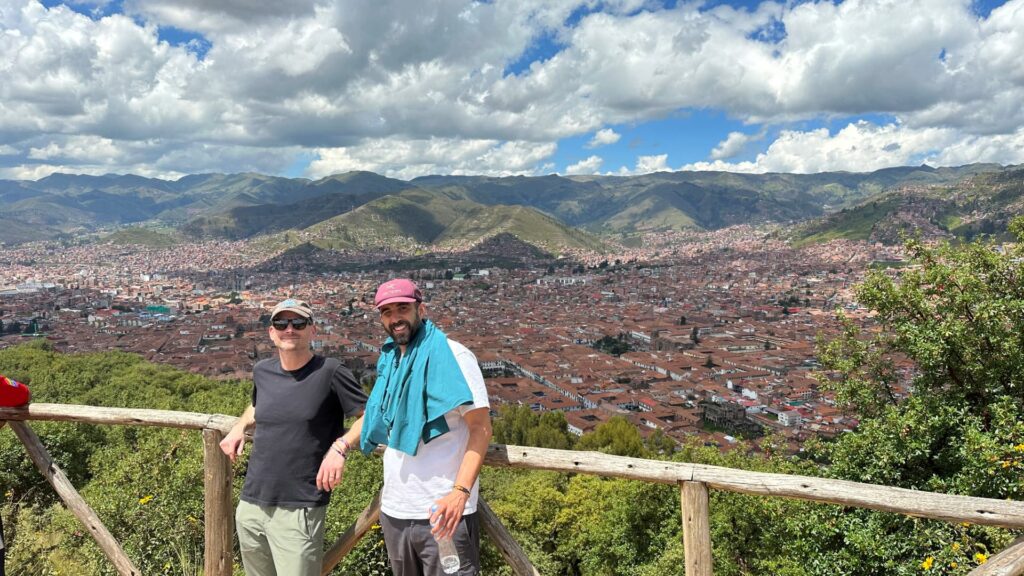
Most city tours give you an hour at Sacsayhuaman, which is barely enough time to absorb the scale. Return on your own, ideally in the late afternoon when the tour groups have left, and you can appreciate this site properly. Individual stone blocks weigh up to 300 tons and fit together without mortar so precisely that you cannot slide a piece of paper between them. How the Incas achieved this without wheels, iron tools, or draft animals remains one of archaeology’s great mysteries. Sit on one of the massive zigzag walls, watch the sunset paint Cusco gold in the valley below, and consider that you are sitting on one of the most extraordinary engineering achievements in human history.
Making the Most of Your Time in Cusco
The key to truly experiencing Cusco is to slow down. Spend your first day acclimatizing — walk gently through the city, drink coca tea, eat light meals, and let your body adjust to 3,400 meters. Then give yourself at least three to four days to explore, mixing big-ticket sites with quieter, more personal experiences.
Book with a local operator who can connect you with experiences that are not on any standard tour menu — a morning with a weaving family, an evening ceremony with a paqo, a sunrise hike to a lake that does not appear in any guidebook. These are the moments that turn a vacation into a story you tell for the rest of your life.
Ready to Discover the Real Cusco?
Cusco is a city that reveals itself slowly, layer by layer, to those who take the time to look. Behind every stone wall is a story. Beyond every mountain pass is a view that stops you in your tracks. And within every Andean tradition is a wisdom that the modern world desperately needs.
Let Qori Qilka Adventures show you the Cusco that exists beyond the guidebooks. Explore our tours or contact us to design your perfect 2026 Cusco adventure.
The Andes are not just a destination. They are an awakening.
Etiquetas populares
Search
Category
Latest Posts
How to Choose the Best Machu Picchu Tour in 2026: Prices, Routes & Tips
Cusco Food Tours: A Culinary Journey Through the Andes (2026)
Wachuma Ceremony in Peru: Sacred Healing in the Andes (2026 Guide)