
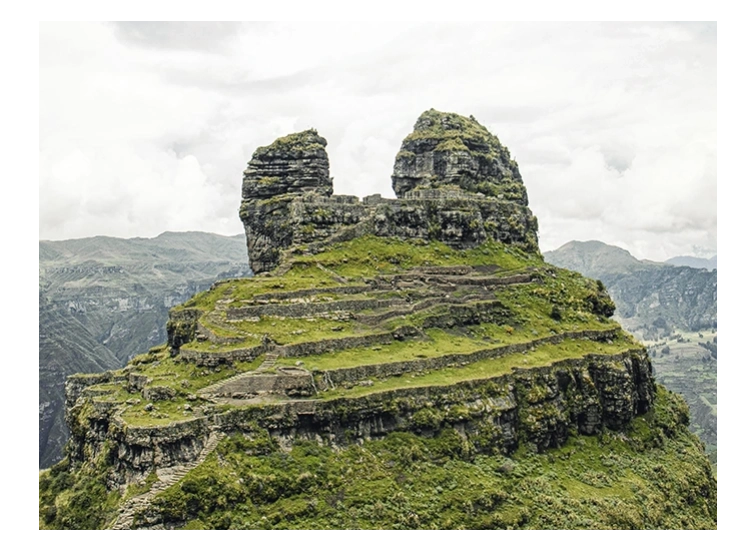
If you are headed to Peru and want to visit Machu Picchu, wait until after you check out Waqrapukara (aka Waqra Pukara) one of the quieter, but also one of the most breathtaking Inca sites! This site has become popular with many adventure travellers.
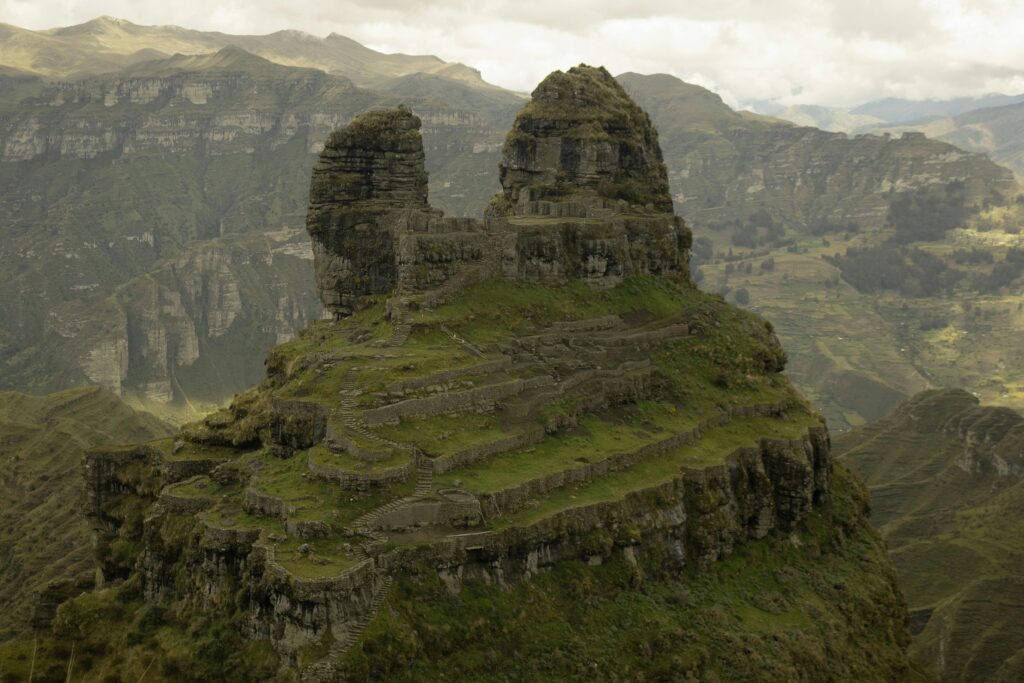
Waqrapukara is located at 4,300m/14,100ft above the Apurímac River Canyon, on a dramatic cliff that will make you feel like this secret location is for only the local people and some adventurous backpackers! The name comes from the Quechua language; waqra translates to “horn” or “horns”, and pukara means “fortress” – and the two rock formations located either side of the ruins are something you have to see to believe!
Waqrapukara is one of the best hidden treasures around Cusco right now due to less tourist numbers, unbelievable views, and amazing Andean energy! Below you will find everything you need to know to put Waqrapukara onto your “Top Places to Visit in Peru” list!
What Is Waqrapukara? A Quick History
The Waqrapukara was initially a shrine for worship for the pre-Inca people, the Qanchis (circa 2500 B.C.). But the Incas took over this site and made it a lieu of worship for their religion, which they used as an important religious and administrative site, perhaps as a worship site for a sun deity.
The architecture is also within the realm of classic Incan architecture. Each stone is cut to fit. It is located on the top of a mountain above a deep canyon, which gives Waqrapukara a high, strategic position. Because of its high elevation, it had a good line of sight over the surrounding area, which is one of the reasons why its location was significant not only for defense but also for spirituality.
Although the site is not yet completely excavated or restored, like Machu Picchu, it continues to be referred to as a “First Order Inca Sanctuary” and has many unresolved mysteries, adding to the allure of the place. You will feel as though you are an explorer and are experiencing the excitement of finding an undiscovered temple.
Why Visit Waqrapukara? (The Real Talk)
- Zero crowds – Unlike Machu Picchu’s thousands daily, you might share the site with just a handful of people.
- Insane views – Standing at the edge looking down into the deep Apurímac Canyon is vertigo-inducing and unforgettable.
- Adventure level – Moderate to challenging hike with big rewards.
- Accessibility improving – In 2026, more day tours from Cusco make it easier, but you can still go independently for that authentic feel.
- Better than Machu Picchu? Many travelers (including me) say yes for the drama and solitude.
How to Get There: Your Options in 2026
Most people start from Cusco (you’re already there, Mac – perfect!).
Option 1: Full-Day Guided Tour (Easiest)
- Agencies like Salkantay Trekking, Kondor Path, or Samex Tours offer 1-day tours (~$50–$90 USD).
- Includes transport, guide, lunch, entrance fee (~10–15 soles).
- Pickup ~4–5 AM, back by evening. Horseback riding option on some.
- Pros: Hassle-free, safe, expert explanations.
Option 2: Independent (More Adventurous – 1 or 2 Days)
- Day 1: Bus/colectivo from Cusco to Sangarará (~3–4 hours, dirt road). Stay in Sangarará or nearby (Airbnb like Sara Wasi recommended).
- Day 2: Hike from Rinconada/Sangarará trailhead (~2–3 hours up, 8–10 km round trip, ~800 m elevation gain).
- Return same day or overnight.
- Total cost: ~$30–50 USD including transport + food.
Best Time to Go Dry season: May–October (clear skies, best views). Avoid rainy season (Nov–Apr) – trails get muddy and risky.
The Hike & What to Expect
- Difficulty: Moderate–hard (altitude + steep sections). Acclimatize in Cusco first!
- Time: 4–6 hours round trip hiking.
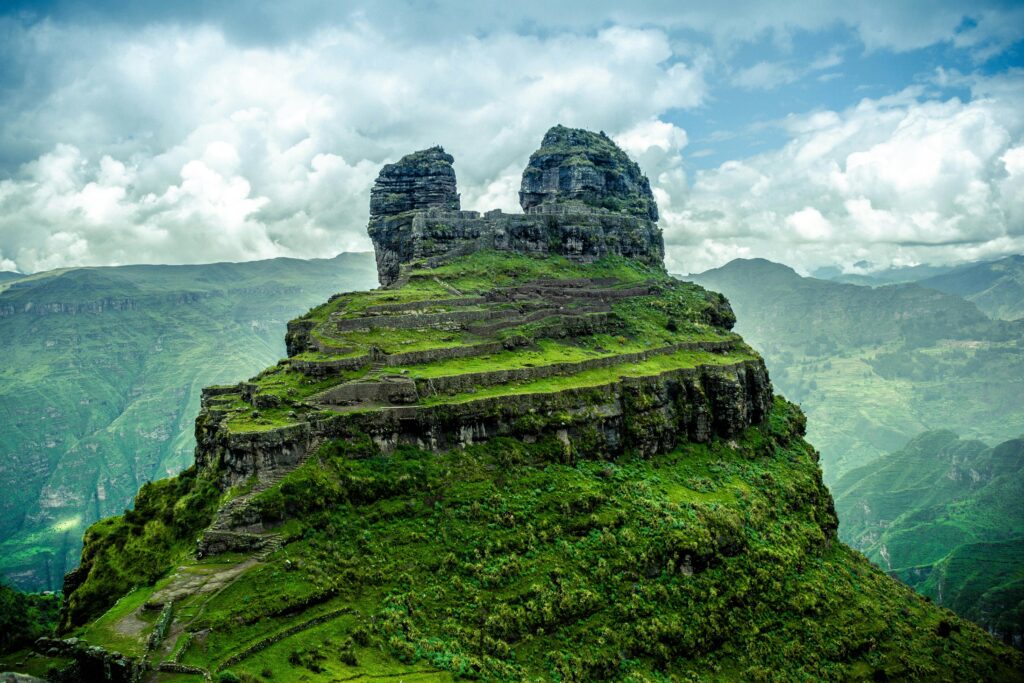
- Highlights: Panoramic viewpoint of the “horns,” walking through terraces, exploring chambers and stairways.
- Bring: Water (at least 2L), snacks, sunscreen, hat, layers (cold wind), sturdy shoes, coca leaves or altitude meds.
- Entrance: Small fee paid on-site (Ministry of Culture guardians there).
Pro Tips from Someone in Cusco
- Acclimatize 2–3 days in Cusco before attempting – altitude sickness is real at 4,300 m.
- Coca tea is your friend.
- Pack light but bring a good camera/phone – the photo ops are insane.
- Respect the site: no touching stones, stay on paths.
- If going solo, download offline maps (AllTrails has good Waqrapukara tracks).
- Combine with nearby spots like Pomacanchi lagoon if you have extra time.
Final Verdict: Is Waqrapukara Worth It?
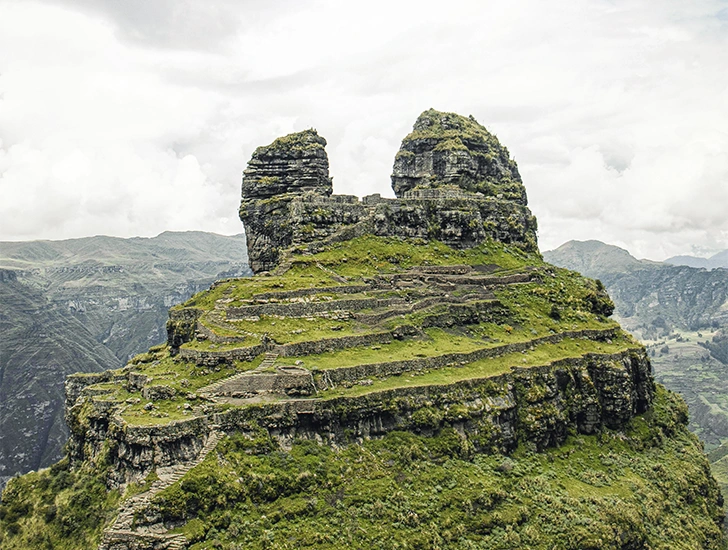
Absolutely Yes. If you’re tired of tourist-loaded destinations. Waqrapukara is a location that includes rawness, spirituality, and beauty. This site is a reminder of why we travel; to experience a sense of smallness in relation to both the vastness of time and the beauty of nature. If you’re looking to visit Waqrapukara, I recommend going as soon as possible. It’s still relatively obscure (but not for long!), so this is a good time to visit before it becomes well known. Have you ever been to Waqrapukara? If so, please share your thoughts and experiences below. Until next time safe travels, adventurers!