
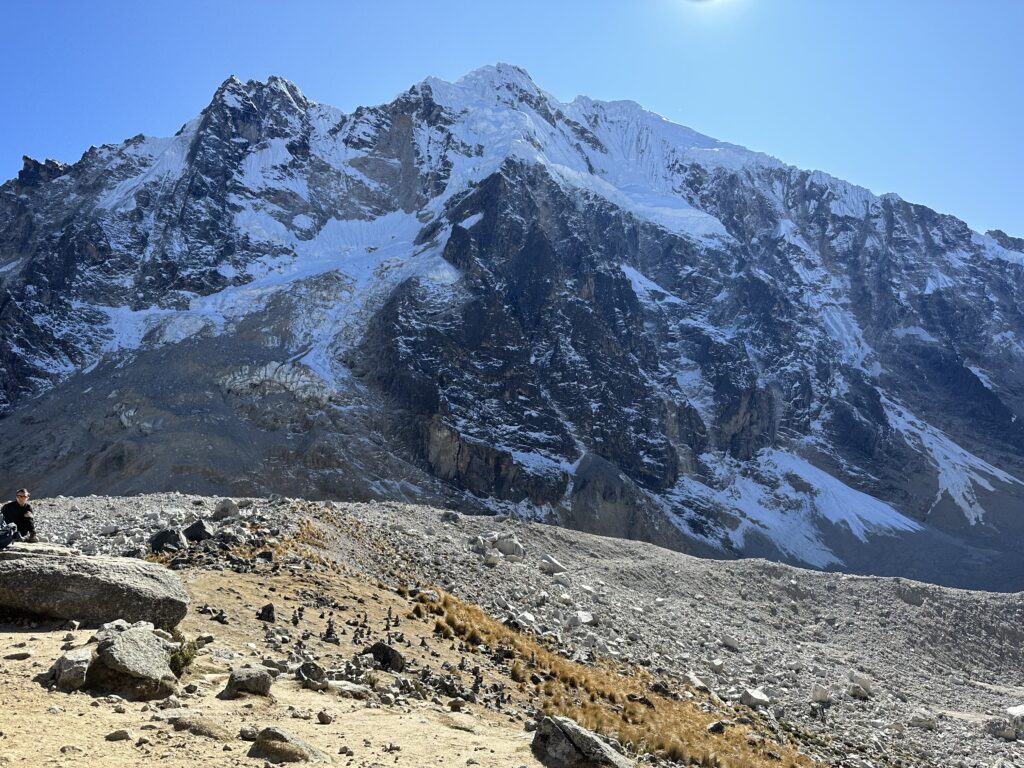
Connect with the ancient energy that dwells in sacred mountains, rivers, and volcanoes. In the majestic heights of the Andes and the crystal-clear depths of its lakes and rivers live ancient spirits who protect life, nature, and the sacred balance of the world: the Apus and the Ñustas.
These spiritual beings are more than legend. They are a living part of the Andean worldview—energetic forces still felt, honored, and invoked in ancestral rituals to this day.
What Are Apus? Mountain Spirits and Guardians of Sacred Masculine Energy
Apus are the protective spirits that dwell in the highest, most sacred mountains of the Andes—especially in the snow-capped peaks. Each mountain has its own Apu, seen as a sacred masculine force, powerful, wise, and protective. In Quechua, “Apu” means “lord” or “chief”, reflecting their revered role in Andean cosmology.
- Apus represent:
- Sacred masculine power
- Spiritual protection
- Ancestral wisdom
- The connection between sky and earth
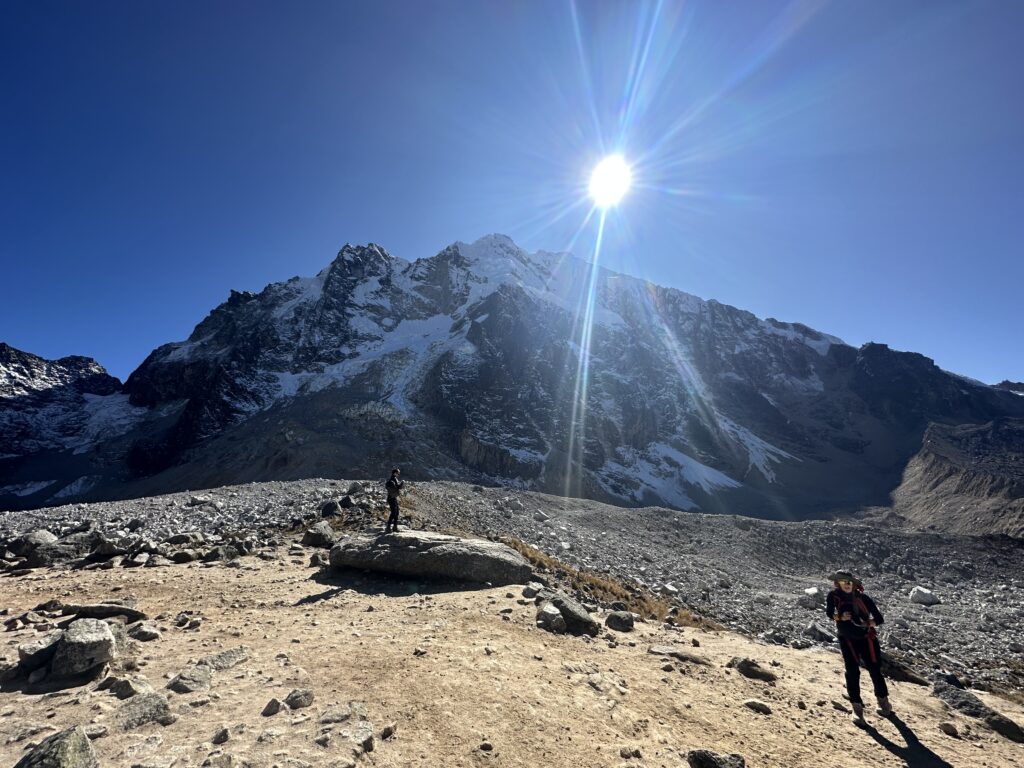
Some of the most venerated Apus in the Cusco are Apu Ausangate, Apu Salkantay, Apu Chicon, Apu Pachatusan . In traditional Andean ceremonies, shamans (called paqos) connect with the Apus to ask for guidance, healing, and protection for their communities.
What Are Ñustas? Spirit Guardians of the Waters, Daughters of Pachamama
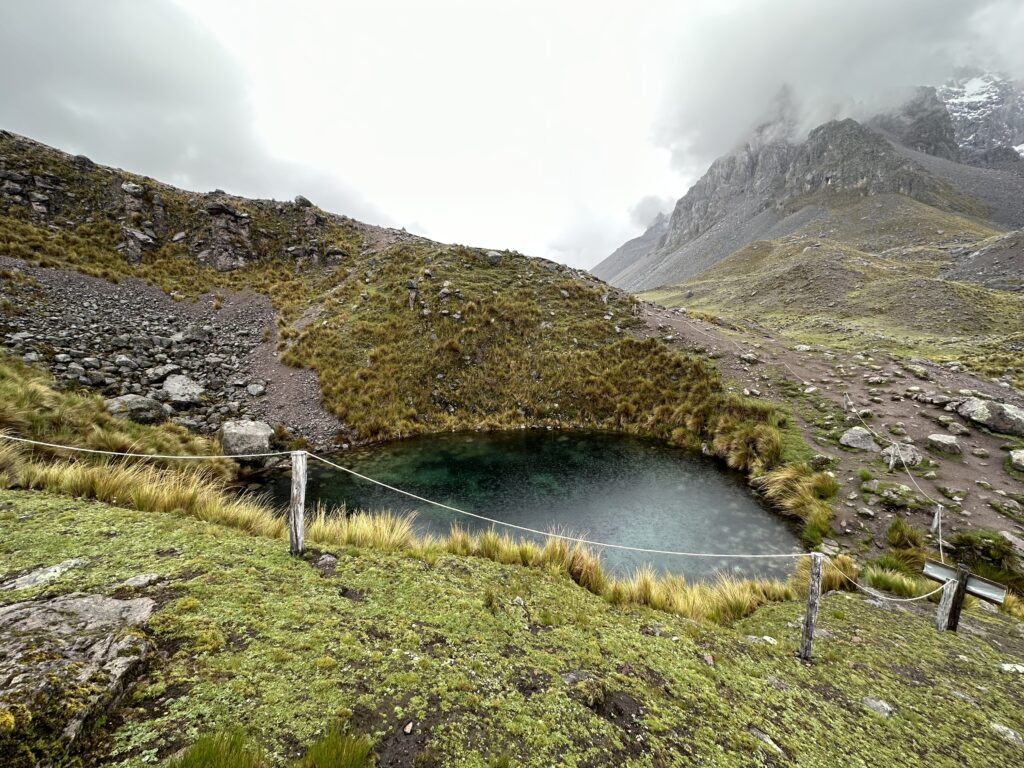
Ñustas are feminine spirits who live in lakes, rivers, volcanoes, and springs. They are known as the daughters of Pachamama (Mother Earth) and represent the sacred feminine energy of the universe: nurturing, intuitive, healing, and life-giving.
- Ñustas symbolize:
- Sacred feminine power
- Fertility and abundance
- Emotional and spiritual healing
- The wisdom of water
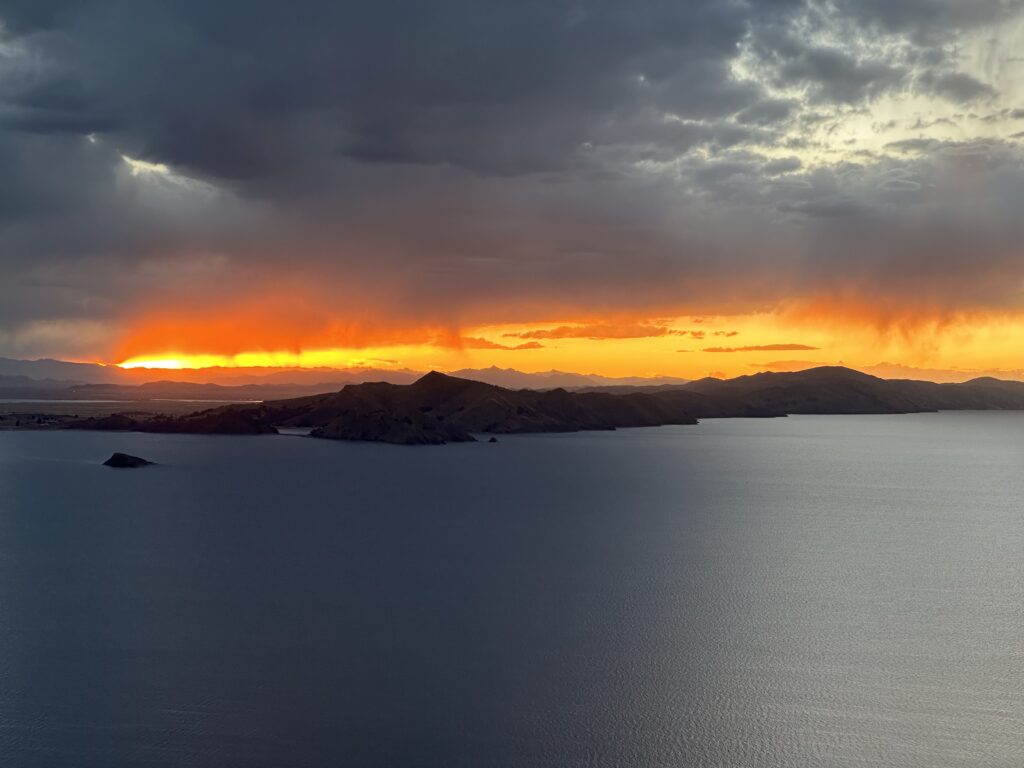
Each Ñusta has her own name, story, and unique vibration. One of the most revered is the Ñusta of Lake Titicaca, considered a source of life, divine energy, and the cradle of Andean civilization; other Ñusta of Cusco we have such as Ñusta Piuray, Ñusta, Huaypo, Ñusta Perolniyoc. Ñustas also dwell in volcanoes, such as Misti and Sabancaya, where their energy pulses with raw natural force.
Complementary Energy: Apus and Ñustas in Sacred Balance
In Andean spirituality, Apus and Ñustas do not exist in isolation. They are opposite yet complementary expressions of the same cosmic energy. The Apu protects, the Ñusta nourishes. One brings structure, the other flow. One embodies the cosmic father, the other the creative mother.
This sacred duality is known as Yanantin in the Andean tradition—the union of opposites that creates balance and life. When we connect with both energies, we align ourselves with universal wisdom and deep inner harmony.
Ceremonies, Rituals, and Connection with Andean Spirit Beings
Today, many people travel to the Andes to participate in ceremonies that connect them with Apus and Ñustas, guided by traditional healers or paqos. These powerful rituals may include:
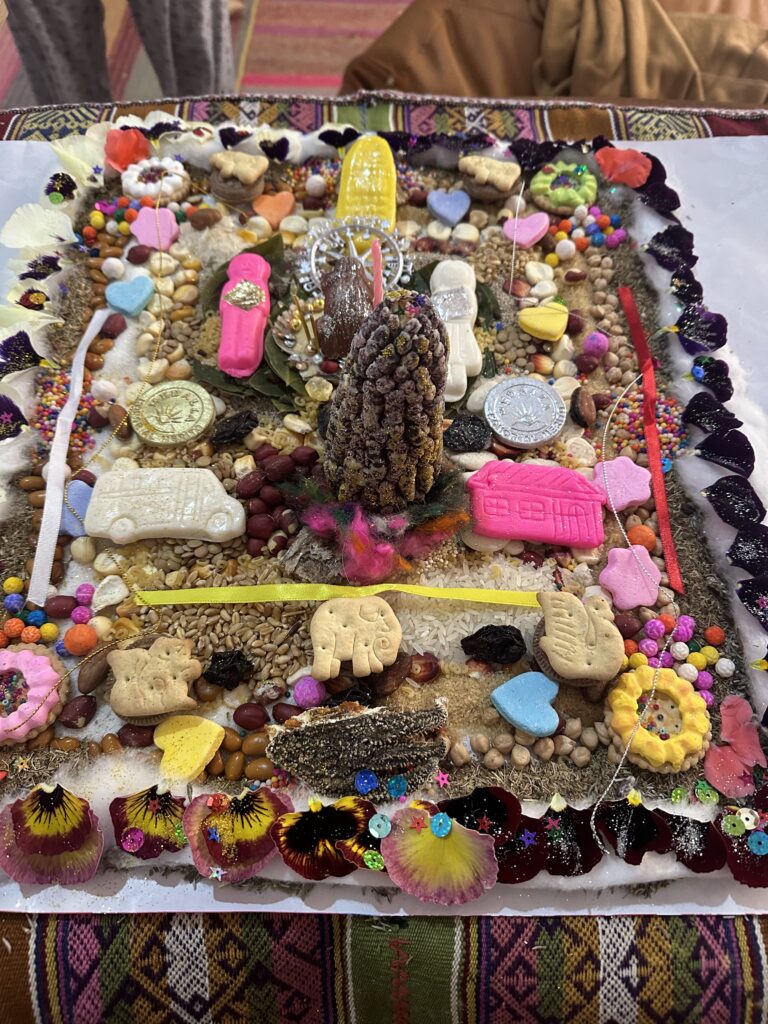
- Offerings to Pachamama (Despachos)
- Water ceremonies
- Spiritual pilgrimages to the Apus
- Ritual baths in sacred lakes
- Initiations known as Karpay
These ceremonies not only honor the spirits but also help people heal, release emotional burdens, and restore their bond with nature.
Many visitors also combine these Andean ceremonies with sacred plant medicine experiences such as ayahuasca ceremonies in Cusco or wachuma (San Pedro) healing sessions, creating a deeply transformative spiritual journey through the Andes.
Why Apus and Ñustas Matter in Modern Times
In a world increasingly disconnected from the Earth, dominated by imbalance and excess, the Apus and Ñustas remind us of a profound truth: Nature is sacred, and its energy lives within us.
Reconnecting with these spirit guardians is a way to remember who we are, where we come from, and how to return to a life of respect, balance, and spiritual awareness.
Conclusion: The Call of the Andean Spirits
Apus and Ñustas are not myths of the past. They are living, breathing forces that continue to guide and protect the natural world—and all who walk upon it. These ancient spirits are part of a spiritual ecosystem that never disappeared, only became quiet to the ears of a humanity that forgot how to listen.
Today, as we awaken to the need for deeper connection—with the Earth, with our ancestors, and with our own souls—the Apus and Ñustas are speaking louder than ever. They whisper through the wind, echo in the silence of the high mountains, and ripple gently in the waters of sacred lakes. They call us not with fear, but with love:
So the question is not whether the Apus and Ñustas are real.
The real question is: Are you ready to listen? Are you ready to remember who you truly are?
Frequently Asked Questions About Apus and Ñustas
What are Apus in Andean culture?
Apus are sacred mountain spirits in Andean cosmology. Each major mountain peak in the Andes is believed to house its own Apu — a protective, masculine spiritual force that watches over the surrounding communities. In Quechua, “Apu” means “lord” or “chief.” The most important Apus near Cusco include Ausangate, Salkantay, Chicón, and Pachatusan. Andean shamans (paqos) regularly communicate with the Apus through offerings and ceremonies to ask for guidance, protection, and healing.
What is the difference between Apus and Ñustas?
While Apus are masculine mountain spirits representing strength and protection, Ñustas are feminine water spirits — daughters of Pachamama (Mother Earth) — who dwell in lakes, rivers, springs, and volcanoes. Ñustas represent nurturing, healing, fertility, and emotional wisdom. Together, Apus and Ñustas form a sacred duality called Yanantin — the complementary balance of masculine and feminine energies that sustains the Andean spiritual worldview.
Can visitors experience Apu ceremonies in Cusco?
Yes. Many visitors to Cusco and the Sacred Valley participate in traditional ceremonies that honor the Apus and Ñustas. These include Andean cosmovision immersions, Pachamama offerings (despachos), water ceremonies, and spiritual pilgrimages to sacred mountains. These ceremonies are led by trained Andean healers (paqos) and offer a profound way to connect with the living spiritual traditions of the Andes. Other sacred plant ceremonies such as ayahuasca and wachuma (San Pedro) are also available in the region.
What is Yanantin in Andean spirituality?
Yanantin is a fundamental concept in Andean cosmology that describes the sacred union of complementary opposites. It is the principle that opposite forces — masculine and feminine, sky and earth, mountain and water — are not in conflict but exist in harmonious balance. The relationship between Apus (mountain spirits) and Ñustas (water spirits) is a perfect expression of Yanantin. This concept extends to all aspects of Andean life and is central to ceremonies and rituals practiced in Cusco and the Sacred Valley.
Experience the Sacred Energy of the Andes
If the ancient spirits of the Andes are calling to you, there is no better way to answer than through a guided spiritual experience in Cusco and the Sacred Valley. Whether you are drawn to an immersion into the Andean cosmovision, a journey of inner awakening, or a trek through the sacred mountains where the Apus dwell — like the legendary Cusco tours that pass through their domain — we are here to help you find the right path.
Explore our spiritual and wellness experiences or contact us to begin your journey with the guidance and respect these traditions deserve.